
- All
- Product Name
- Product Keyword
- Product Model
- Product Summary
- Product Description
- Multi Field Search

Views: 183 Author: Site Editor Publish Time: 2025-09-12 Origin: Site


Hallways are some of the busiest areas in any home. They absorb daily foot traffic, resist dirt and moisture from shoes, and act as a welcoming pathway for guests. Because of this, choosing the right material for a hallway runner is not just a matter of style—it’s a decision that directly affects durability, maintenance, comfort, and even safety. With so many fabric and weave options available, homeowners often wonder: What is the best material for a hallway runner?
In this guide, we’ll explore the leading material options, break down their pros and cons, compare durability, and help you identify which type of runner best suits your household’s lifestyle and interior needs.
Wool has long been a favorite in carpet and runner manufacturing due to its natural resilience. A wool runner can withstand heavy hallway traffic while maintaining its plushness over time. Wool fibers bounce back after compression, which makes them particularly effective in narrow spaces where footsteps are concentrated. Additionally, wool is naturally stain-resistant, thanks to the lanolin coating on its fibers.
That said, wool does come at a higher price point, and it may require occasional professional cleaning to maintain its fresh appearance. However, for homeowners seeking long-lasting quality and a luxurious underfoot feel, wool remains one of the most reliable hallway runner materials.
Synthetic fibers—such as nylon, polyester, and polypropylene—are among the most popular choices for hallway runners because they balance affordability with durability. Unlike wool, synthetic options are often easier to clean and more resistant to moisture, making them ideal for families with kids or pets.
Nylon: Excellent resilience and abrasion resistance, though it may show stains more easily.
Polypropylene (Olefin): Highly resistant to moisture and mildew, but less resilient under long-term heavy traffic.
Polyester: Known for its softness and vibrant color retention, though not as strong as nylon.
Synthetic runners also come in a wide range of designs, making them versatile for both modern and traditional hallway styles.
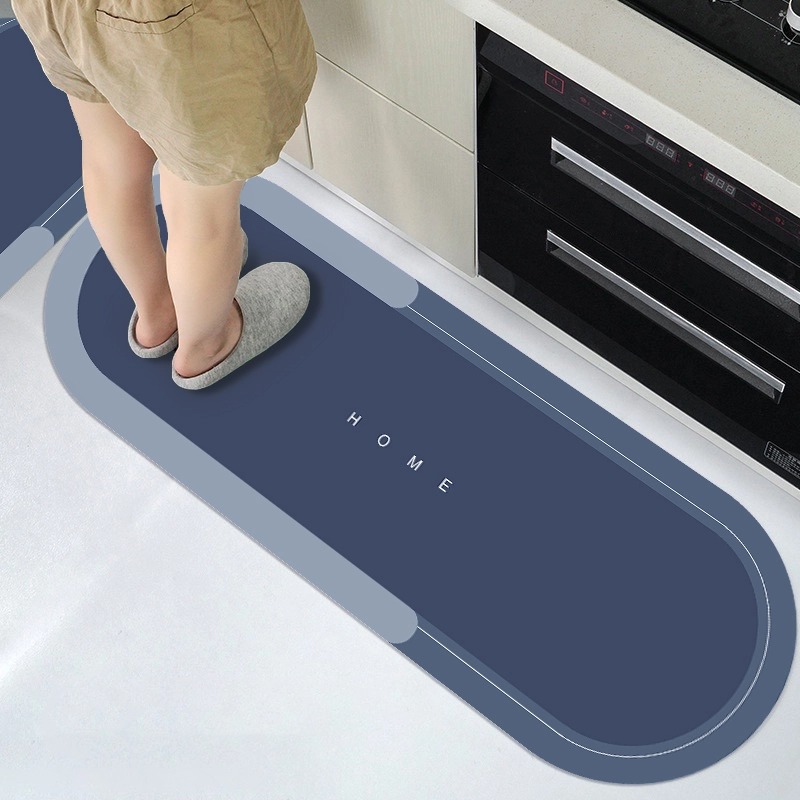
For homeowners who want a sustainable and organic look, natural fibers like jute, sisal, and seagrass are appealing choices for hallway runners. These materials bring earthy textures and a natural warmth to interiors, often complementing minimalist or coastal décor.
Sisal: Strong and durable, making it suitable for high-traffic hallways, though it can be rough underfoot.
Jute: Softer than sisal, but less durable and best suited for low-to-moderate traffic.
Seagrass: Naturally resistant to stains and has a waxy finish, but limited in style variety.
While natural fiber runners provide eco-friendly benefits, they are more prone to staining from spills and are harder to clean compared to wool or synthetics.
The construction of a hallway runner is just as important as its material. Flatweave runners, often made of cotton, wool, or synthetic blends, have a low profile and lie flat on the floor. This reduces tripping hazards and makes them easy to clean. They are ideal for households with children or elderly family members.
In contrast, pile runners (cut or loop pile) offer more cushioning underfoot but can trap more dirt. High-pile options add comfort and luxury but are less practical in busy hallways. Flatweave remains the preferred choice for high-traffic areas, while low-to-medium pile can work well in less busy entryways.
To help visualize the differences, here’s a quick comparison of the most common hallway runner materials:
| Material | Durability | Maintenance | Comfort | Price Range | Best For |
|---|---|---|---|---|---|
| Wool | High | Medium | Soft | $$$ | Long-term use, luxury homes |
| Nylon | High | Easy | Medium | $$ | Families, high-traffic hallways |
| Polyester | Medium | Easy | Soft | $-$$ | Color variety, casual use |
| Polypropylene | Medium | Very Easy | Medium | $ | Moisture-prone areas |
| Sisal | High | Difficult | Firm | $$ | Eco-friendly, natural look |
| Jute | Low-Medium | Difficult | Soft | $ | Light traffic, décor focus |
| Seagrass | Medium | Medium | Firm | $$ | Stain resistance, natural style |
When deciding on the best hallway runner material, it’s essential to account for more than just durability. Hallways pose unique challenges:
Foot Traffic Intensity: Narrow areas concentrate wear in one spot. Choose materials with strong resilience (wool or nylon).
Moisture Exposure: Hallways near entry doors may be exposed to wet shoes. Polypropylene is a smart choice here.
Cleaning & Maintenance: Households with pets or kids may prefer easy-to-clean synthetics or low-pile wool.
Safety & Stability: Low-profile runners reduce tripping risks. Always use a non-slip rug pad.
Style Harmony: The runner should complement flooring and surrounding décor without overpowering the space.
By balancing these factors, homeowners can select a runner that delivers both style and practicality.
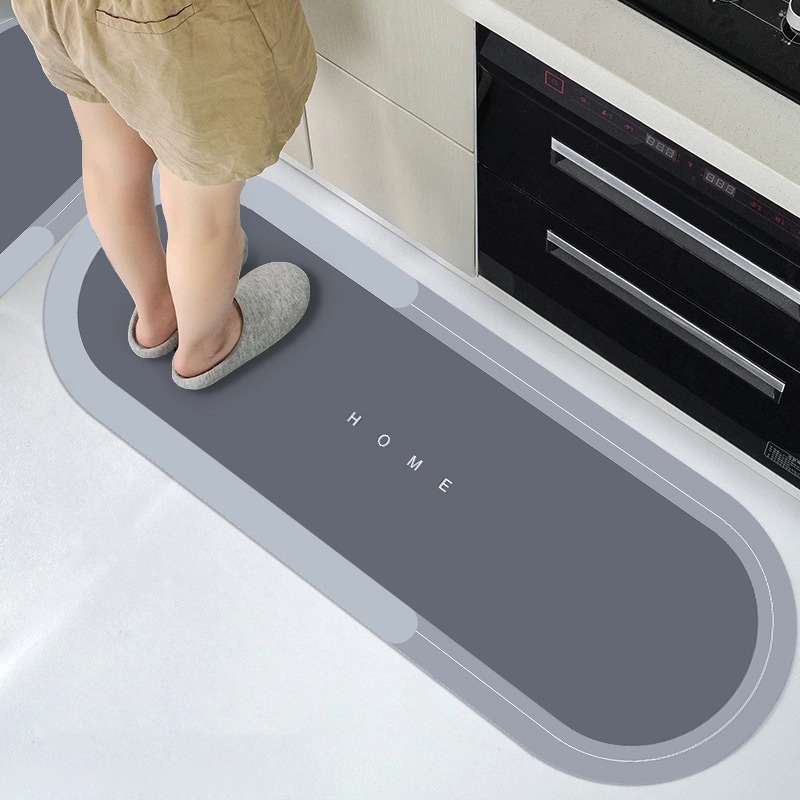
Different homes demand different runner materials. The “best” option depends heavily on who will be using the hallway and how:
| Household Type | Recommended Runner Material | Why It Works |
|---|---|---|
| Families with kids | Nylon or Polypropylene | Easy to clean, durable against spills and play |
| Pet owners | Low-pile Wool or Nylon | Resilient and resistant to claw damage |
| Allergy-sensitive | Flatweave Cotton or Wool | Easier to clean dust and allergens |
| Eco-conscious buyers | Sisal, Jute, or Seagrass | Natural, sustainable fibers |
| Luxury homeowners | Wool or Blended Wool-Silk | Premium comfort and style |
This breakdown helps homeowners match material properties with their lifestyle needs.
No matter which material you choose, proper care ensures that your hallway runner stays beautiful and functional for years. Key tips include:
Vacuum regularly to prevent dirt buildup.
Rotate the runner every few months to balance wear.
Use a non-slip pad for safety and to minimize friction with the floor.
Spot clean promptly to prevent permanent stains.
Professional cleaning once a year for wool or natural fibers.
With consistent maintenance, even budget-friendly materials can perform exceptionally well in high-traffic hallways.
The best material for a hallway runner depends on striking the right balance between durability, maintenance, comfort, and design. Wool stands out as the most durable and luxurious choice, while synthetics like nylon and polypropylene provide practicality and affordability. Natural fibers like sisal and jute bring eco-friendly charm but require more care.
Ultimately, the right choice depends on your household’s needs—whether it’s resilience against pets and kids, eco-conscious living, or creating a statement piece in your hallway. By carefully considering traffic, cleaning requirements, and design goals, you can confidently select the perfect runner material for your space.
1: Are wool runners worth the investment?
Yes. Wool runners are durable, naturally stain-resistant, and maintain their look over years, making them an excellent long-term investment.
2: Which runner material is best for homes with pets?
Low-pile wool or nylon runners are ideal, as they resist claw damage and are easier to clean.
3: Can natural fiber runners handle heavy traffic?
Sisal and seagrass are durable enough for high traffic, but they require more maintenance compared to wool or nylon.
4: How often should I replace a hallway runner?
With proper care, a quality wool or nylon runner can last 10+ years, while synthetic budget runners may last 3–5 years.
5: Do I need a rug pad under a hallway runner?
Absolutely. Rug pads prevent slipping, protect your floors, and extend the life of the runner.


