
- All
- Product Name
- Product Keyword
- Product Model
- Product Summary
- Product Description
- Multi Field Search

Views: 214 Author: Site Editor Publish Time: 2025-09-08 Origin: Site


A carpet under the dining table is not just a decorative choice; it also serves practical functions. Many homeowners opt for it because it visually defines the dining area, especially in open-plan layouts. Without a carpet, the table and chairs can look as though they are “floating” in the room. A carpet anchors the space and creates a clear dining zone.
Another reason people consider it is comfort. Hard flooring like tile, wood, or stone can feel cold underfoot. A carpet adds softness and warmth, making long dinners more inviting. Carpets can also contribute to noise reduction. The sound of chairs scraping or cutlery clinking echoes more on bare floors than on carpeted ones.
Finally, there is the aesthetic factor. Carpets allow homeowners to introduce colors, textures, or patterns that complement their dining table and décor. In short, the idea appeals to many because it blends function and style.
Placing a carpet beneath a dining table comes with notable benefits.
Visual Cohesion: A well-chosen carpet frames the table and chairs, ensuring they don’t appear disconnected from the rest of the room.
Noise Control: Carpets absorb sound, preventing the dining room from feeling too echoey—especially in homes with high ceilings or minimal furniture.
Comfort: Sitting around a table for long meals is more pleasant when feet rest on a soft carpet rather than cold tiles.
Design Impact: Carpets offer endless opportunities to inject color, style, and personality. Whether traditional Persian, minimalist neutral, or modern geometric, the carpet can set the mood for the entire space.
Floor Protection: A carpet can shield delicate wood floors from scratches caused by sliding chairs.
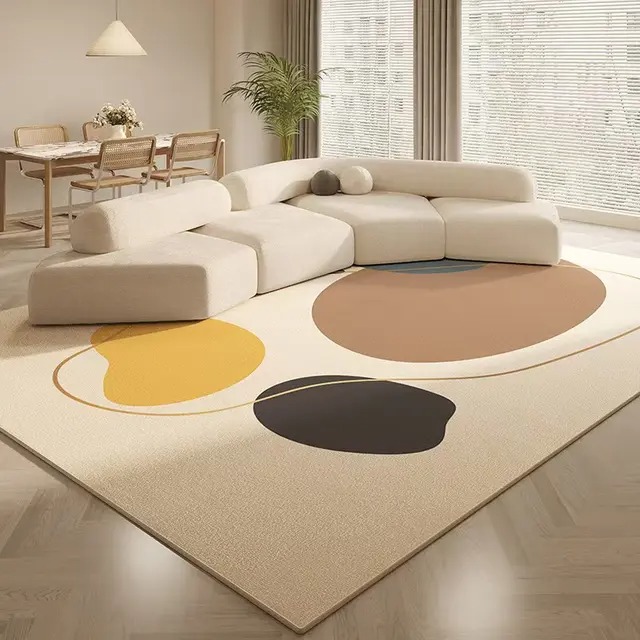
The downside often stems from practicality. Carpets placed under dining tables are more exposed to food and drink accidents than those in other parts of the home. Crumbs, spills, and stains are inevitable during meals, especially in homes with children or pets.
Another drawback is cleaning difficulty. While hard floors can be wiped quickly, carpets require vacuuming, spot-cleaning, or even professional deep cleaning to stay presentable. Depending on the carpet’s material, some stains may be permanent.
Durability is another concern. The constant dragging of chairs back and forth can cause wear and tear, flattening carpet fibers faster than in less-trafficked rooms. Carpets made from delicate materials may deteriorate quickly in a dining setup.
Lastly, size mismatches can create visual imbalance. If the carpet is too small, chair legs may fall off the edges when pulled out, leading to awkward movement and discomfort.
The choice of material makes or breaks whether a carpet works under your dining table.
| Carpet Material | Pros | Cons | Best For |
|---|---|---|---|
| Wool | Durable, natural, stain-resistant, luxurious | Expensive, requires professional cleaning | High-traffic dining rooms |
| Polypropylene | Budget-friendly, stain-resistant, easy to clean | Less soft, shorter lifespan | Families with kids/pets |
| Cotton | Lightweight, washable | Wears quickly, stains easily | Casual dining spaces |
| Jute/Sisal | Natural, textured look | Hard to clean, not great for spills | Rustic or eco-friendly interiors |
| Nylon | Strong, stain-resistant | Can feel synthetic | Modern dining rooms |
In general, flat-weave rugs or low-pile carpets work better than plush, high-pile ones, as they trap fewer crumbs and are easier to vacuum.
The size and shape of a dining carpet determine both functionality and aesthetics. A common mistake is choosing one that is too small. The rule of thumb is that the carpet should extend at least 24–30 inches beyond the dining table on all sides. This ensures that chairs remain fully on the carpet even when pulled out.
For shape, round tables look best with round carpets, while rectangular tables usually pair well with rectangular carpets. Square tables can work with either square or round carpets, depending on room proportions.
| Table Shape | Ideal Carpet Shape | Minimum Extension |
|---|---|---|
| Rectangular | Rectangular | 24–30 in. |
| Round | Round | 24–30 in. |
| Square | Square or Round | 24–30 in. |
A correctly sized carpet enhances the space without looking cramped or disproportionate.
If you decide to place a carpet beneath your dining table, maintenance becomes key. Here are actionable strategies:
Vacuum Regularly: Daily or weekly vacuuming helps remove crumbs and dust before they settle deep into fibers.
Spot-Clean Immediately: Address spills right away with a clean cloth and mild detergent. Blot rather than rub to avoid spreading.
Use Carpet Protectors: Apply stain-resistant sprays or invest in carpets with built-in protective coatings.
Chair Pads: Felt pads on chair legs prevent carpet wear and snagging.
Rotation: Rotate the carpet every few months to distribute wear evenly.
Professional Cleaning: Consider deep cleaning once or twice a year for a fresh look.
These practices extend the carpet’s lifespan while keeping it stylish and sanitary.
If the drawbacks outweigh the benefits, alternatives exist to achieve a defined and stylish dining area.
Vinyl Floor Mats: Easier to clean, available in decorative patterns, and resistant to spills.
Wood or Tile Inlays: A design solution where the flooring itself creates a dining “zone.”
No Floor Covering: Some homeowners prefer a minimalist approach, keeping the dining table directly on hardwood or tile for easy maintenance.
Washable Rugs: An emerging hybrid between traditional carpets and mats, these can be tossed into a washing machine.
Each alternative balances practicality and style differently, depending on your household’s needs.
Ultimately, the decision depends on your lifestyle. A carpet under the dining table makes the most sense if:
You value aesthetics and want to define your dining area.
You don’t mind investing time in cleaning and maintenance.
You have a dining room separate from the kitchen, reducing spill frequency.
You choose durable, low-pile, or stain-resistant carpet materials.
On the flip side, it may not be ideal for households with young children, frequent dinner parties, or a preference for low-maintenance living.
So, should you put a carpet under a dining table? The answer is: it depends on your priorities. A carpet can transform a dining room, adding warmth, elegance, and visual structure. But it also brings cleaning challenges and requires thoughtful choices in material, size, and maintenance. If you’re willing to care for it, a carpet can elevate your dining experience. If not, plenty of stylish alternatives exist. The key is aligning your decision with your lifestyle and long-term comfort.
1. What type of carpet is best for under a dining table?
Flat-weave or low-pile carpets made from stain-resistant materials like wool, nylon, or polypropylene work best because they’re easier to clean and more durable.
2. Should the carpet be bigger than the dining table?
Yes. Ideally, the carpet should extend 24–30 inches beyond the edges of the dining table so that chairs remain on the carpet even when pulled out.
3. Is it hard to clean a carpet under a dining table?
It can be, depending on the material. Regular vacuuming, spot cleaning, and protective sprays help. Washable rugs and synthetic fibers are easier to maintain.
4. Can you use a round carpet under a rectangular table?
While it’s possible, it often looks mismatched. A rectangular carpet is usually the better fit for a rectangular dining table.
5. Are washable carpets a good option?
Yes. Washable carpets are increasingly popular because they combine the style of a traditional rug with the convenience of machine washing.


