
- All
- Product Name
- Product Keyword
- Product Model
- Product Summary
- Product Description
- Multi Field Search

Views: 182 Author: Site Editor Publish Time: 2025-09-05 Origin: Site


Choosing the right dining room rug isn’t as simple as picking a design that looks beautiful. Unlike rugs in bedrooms or living rooms, dining room rugs must withstand frequent foot traffic, heavy furniture, and the inevitable food and drink spills. The material you choose determines not only how long the rug lasts, but also how easy it is to clean, how it feels underfoot, and how well it complements your dining space. In this guide, we’ll break down the best rug materials for dining rooms, compare their strengths and weaknesses, and help you make a decision that balances style, comfort, and practicality.
The dining area presents unique challenges compared to other rooms. Food crumbs, red wine stains, and chair movements can quickly wear down a rug made from the wrong fibers. Materials influence not only durability but also how easily stains can be cleaned, whether a rug traps odors, and how well it resists fading. While some people choose rugs based on appearance alone, material is the most critical factor for functionality. For instance, a silk rug might look luxurious, but it’s impractical for a dining room where spills are inevitable. Understanding material differences will help you avoid costly mistakes.
Natural fibers remain a popular choice for dining room rugs because of their durability and timeless aesthetic. Materials like wool, cotton, and jute offer distinct advantages depending on your needs.
Wool is often considered the gold standard in rug materials. It’s naturally stain-resistant thanks to its protective lanolin coating, which makes it a smart option for dining areas. Wool rugs are dense and resilient, able to handle heavy chair legs and constant foot traffic without flattening. They also retain their color well over time, so your dining room stays vibrant. The downside? Wool rugs can be pricier, and professional cleaning may be needed for deep stains.
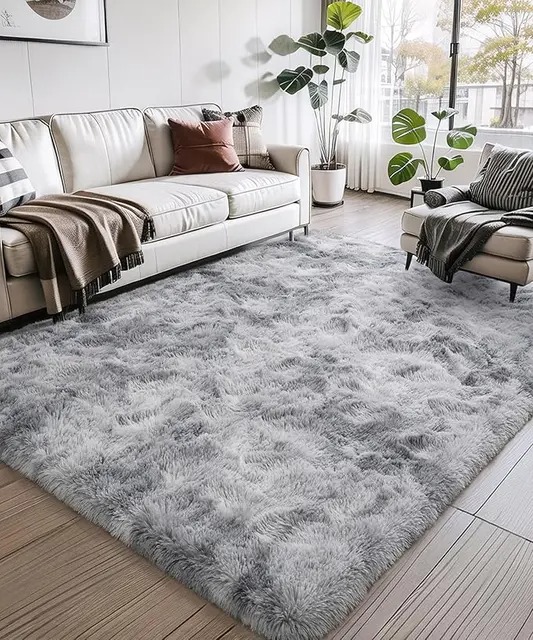
Cotton is a more budget-friendly natural fiber. It’s lightweight, breathable, and often comes in flat-weave styles that are easy to shake out and clean. Cotton rugs are machine-washable in smaller sizes, which makes them practical for households with kids. However, cotton wears faster than wool and may fade in sunlight, making it a better option if you want a casual look or plan to replace your rug more frequently.
For homeowners seeking a textured, organic feel, jute and sisal rugs deliver. These fibers are eco-friendly and strong, capable of withstanding daily wear. Their earthy tones complement modern, coastal, or rustic dining rooms. However, they are not naturally stain-resistant and can absorb liquids quickly, so spills must be cleaned immediately.
Comparison Table: Natural Fiber Rugs
| Material | Pros | Cons | Best For |
|---|---|---|---|
| Wool | Durable, stain-resistant, holds color | Higher cost, may require professional cleaning | High-traffic dining rooms |
| Cotton | Affordable, easy to clean, lightweight | Less durable, fades over time | Casual dining spaces |
| Jute/Sisal | Eco-friendly, textured, stylish | Absorbs stains easily, rougher feel | Rustic or modern natural look |
Synthetic materials have improved significantly, offering stylish dining room rugs that combine affordability with practicality. Common options include polyester, nylon, and polypropylene.
Polyester rugs provide excellent color retention, ensuring bold designs don’t fade quickly. They are soft underfoot and often mimic the look of wool at a fraction of the cost. However, polyester is less durable under heavy traffic and can flatten over time.
Nylon is one of the most durable synthetic fibers available. It resists crushing from chair legs and bouncing traffic, making it suitable for busy dining rooms. Nylon rugs are also treated to resist stains, although they may generate static.
Polypropylene is stain- and moisture-resistant, making it one of the easiest rug materials to clean. These rugs are affordable and can even be used outdoors, making them perfect for families who want a low-maintenance option. The trade-off is that polypropylene is less resilient than wool or nylon and may not last as long.
Comparison Table: Synthetic Fiber Rugs
| Material | Pros | Cons | Best For |
|---|---|---|---|
| Polyester | Vibrant colors, soft, affordable | Not highly durable | Decorative dining spaces |
| Nylon | Strong, resilient, stain-resistant | May build static, higher cost than other synthetics | High-traffic dining areas |
| Polypropylene | Very stain-resistant, water-resistant, affordable | Less durable, prone to flattening | Busy families, easy-clean needs |
When evaluating rug materials, several key performance factors should guide your decision:
Stain Resistance: Dining rooms are prone to spills, so materials like wool or polypropylene stand out.
Ease of Cleaning: Flat-weave cotton or synthetic rugs are easier to maintain compared to high-pile rugs.
Durability: Heavy furniture and frequent foot traffic demand tough fibers like wool or nylon.
Comfort: Wool and polyester rugs feel softer underfoot, enhancing dining comfort.
Style & Aesthetic: Natural fibers deliver a timeless, organic look, while synthetics often provide bold patterns at a lower cost.
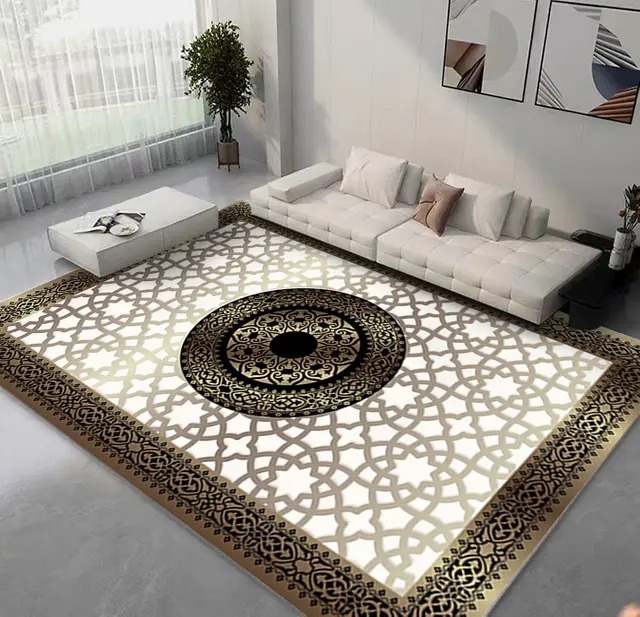
The weave style impacts how a rug performs in a dining space.
Flat-Weave Rugs: These rugs, often made of cotton, jute, or synthetic fibers, have no pile, making them easy to vacuum and less likely to trap crumbs. They’re ideal for households where cleaning convenience is a priority.
Pile Rugs: Rugs with a medium to high pile, such as plush wool rugs, feel luxurious but are harder to clean in a dining environment. Food can easily get embedded, and stains may be more challenging to remove. Low-pile options strike a balance by offering comfort without excessive maintenance.
No single material is perfect for all dining rooms. The right choice depends on your lifestyle and priorities:
For Families with Kids: Polypropylene or cotton rugs that are easy to wash.
For Entertainers Who Host Often: Wool or nylon rugs that can handle constant use.
For Eco-Conscious Homeowners: Jute or sisal rugs that are sustainable and stylish.
For Budget Buyers: Polyester rugs that provide color variety without breaking the bank.
For Luxury Seekers: Wool rugs that balance elegance with resilience.
Even the most durable rug material needs proper care:
Wool: Vacuum weekly, blot stains quickly, and schedule occasional professional cleaning.
Cotton: Machine wash small rugs, rotate regularly to prevent uneven fading.
Jute/Sisal: Vacuum frequently, avoid excessive water exposure, and use a dry-cleaning method.
Polypropylene: Hose down outdoors if needed, ideal for deep cleaning.
Nylon: Spot clean with mild detergent, vacuum to keep fibers springy.
The best material for dining room rugs depends on your lifestyle, budget, and design preferences. Wool remains the top choice for those seeking a balance of luxury and resilience, while polypropylene offers unbeatable stain resistance for busy households. Cotton and jute bring texture and affordability, while nylon provides long-lasting strength. By focusing on material rather than just looks, you’ll ensure your dining room rug serves both functional and aesthetic needs for years to come.
1. Are wool rugs good for dining rooms?
Yes, wool rugs are durable, naturally stain-resistant, and ideal for high-traffic dining areas. However, they can be more expensive and may need professional cleaning.
2. What is the easiest rug material to clean in a dining room?
Polypropylene is the easiest to clean thanks to its water-resistant and stain-resistant qualities. Cotton flat-weave rugs are also convenient for quick washing.
3. Should I avoid high-pile rugs in dining rooms?
Yes, high-pile rugs trap crumbs and spills, making them harder to maintain. Low-pile or flat-weave rugs are better suited for dining areas.
4. Can natural fiber rugs handle food spills?
Wool resists stains well, but jute and sisal absorb liquids quickly. If you choose jute or sisal, be prepared for more careful maintenance.
5. Which rug material is best for families with kids and pets?
Polypropylene rugs are the most practical choice since they resist stains, moisture, and wear while remaining budget-friendly.


