
- All
- Product Name
- Product Keyword
- Product Model
- Product Summary
- Product Description
- Multi Field Search

Views: 194 Author: Site Editor Publish Time: 2025-09-15 Origin: Site


Hallways are often overlooked in interior design. They serve as connectors between rooms, yet they are one of the most high-traffic areas in a home. Should you put a runner in a hallway? A hallway runner is more than just a decorative accessory—it impacts safety, comfort, acoustics, and the overall look of your space. In this article, we’ll dive into the pros, cons, and design strategies for hallway runners, so you can make the most informed decision for your home.
Hallways, unlike living rooms or bedrooms, have unique demands. They are narrow, frequently used, and often neglected in décor planning. A hallway runner addresses these challenges by:
Protecting Flooring: High foot traffic can wear down wood, tile, or laminate. A runner acts as a barrier.
Adding Comfort: Walking barefoot on a runner feels softer and warmer than on hard floors.
Improving Safety: Slippery floors, especially polished hardwood, can be risky. A runner with a good rug pad prevents accidents.
Enhancing Style: A runner visually defines the hallway, making it feel intentional rather than empty.
In short, a hallway runner transforms a utilitarian space into a functional and stylish corridor.
Installing a hallway runner is not only about aesthetics; it solves real lifestyle problems.
Hallways typically endure more daily traffic than almost any other part of the house. Without a runner, hardwood and laminate floors may scratch and dull over time. A runner absorbs this stress, extending the life of your flooring.
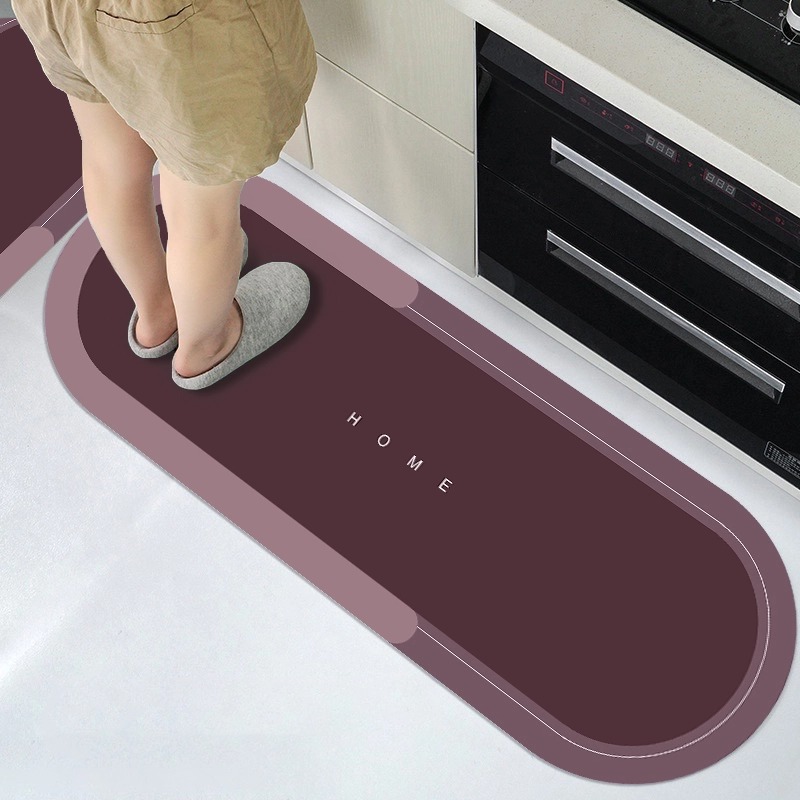
Footsteps echo in long hallways, especially if you have kids, pets, or upstairs neighbors. A runner dampens sound, creating a quieter environment.
Cold floors can feel unwelcoming, particularly in winter. A fabric runner provides insulation, making hallways cozier year-round.
| Benefit | Without Runner | With Runner |
|---|---|---|
| Floor Protection | Scratches and scuffs | Preserves floor quality |
| Noise Control | Echoes and footstep noise | Softer, quieter steps |
| Comfort | Cold, hard underfoot | Warm, cushioned surface |
Beyond function, hallway runners contribute significantly to home design.
Length and Width Balance:A runner should leave a few inches of floor visible on both sides to create a framed effect. If the runner is too wide, it overwhelms the space; too narrow, and it looks misplaced.
Patterns and Colors:Patterns can disguise dirt and wear, while bold colors add personality to otherwise plain hallways. Neutral runners create harmony in minimalist interiors.
Cohesion with Home Design:Your runner should flow with the rest of your décor. For example, a Persian-style runner works in traditional homes, while geometric designs fit modern spaces.
While runners bring many advantages, safety must be a top consideration.
Slippage: Choose a runner with a non-slip backing or add a quality rug pad.
Tripping Hazards: Make sure the runner is the correct length—too short, and edges curl; too long, and it bunches.
Allergies: Opt for hypoallergenic fibers if you’re sensitive to dust and pollen.
| Safety Issue | Risk | Solution |
|---|---|---|
| Runner sliding | Slips and falls | Use non-slip pads or backing |
| Curling edges | Trips and snags | Secure with rug tape |
| Dust accumulation | Allergy flare-ups | Regular vacuuming and cleaning |
Selecting a hallway runner isn’t just about picking the prettiest design. Consider these factors:
Wool: Long-lasting, resilient, and naturally stain-resistant.
Synthetic fibers: Affordable and easy to clean.
Natural fibers (jute, sisal): Stylish, but may not be ideal for heavy traffic.
Measure your hallway carefully. Ideally, leave 4–6 inches of floor exposed on either side of the runner.
Pick a material that fits your lifestyle. For busy households with kids and pets, stain-resistant synthetics may be more practical.
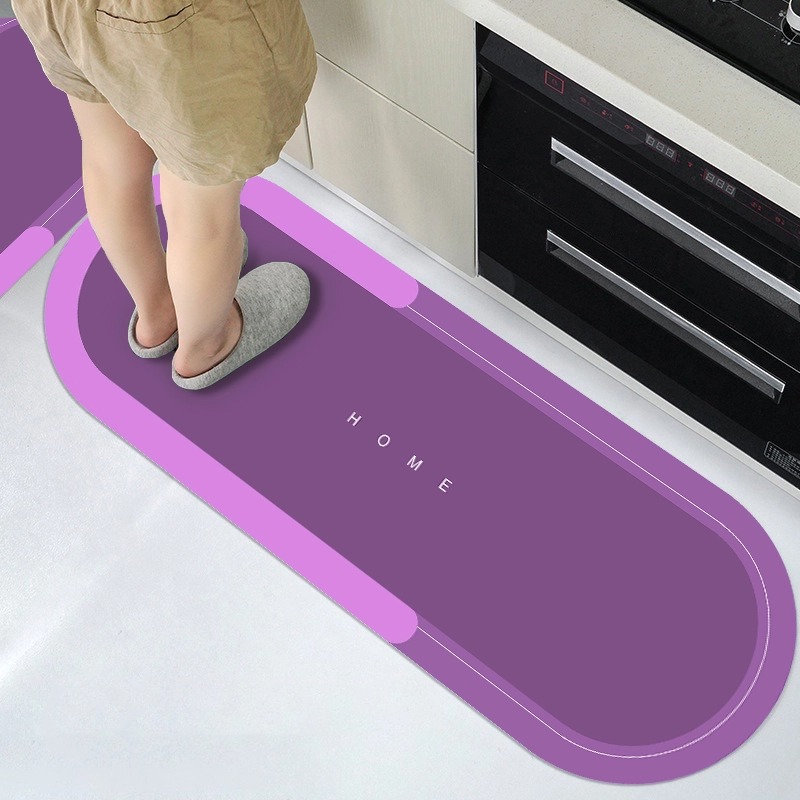
Although runners have many benefits, they are not always necessary.
Extremely narrow hallways: A runner might make the space feel cramped.
Low-traffic hallways: If the area is rarely used, a runner may not justify the investment.
Damp or moisture-prone areas: Moisture can damage the runner and promote mold growth.
In such cases, decorative wall art or lighting may be better alternatives for enhancing the hallway.
To summarize the debate, here’s a direct comparison:
| Feature | Hallway with Runner | Bare Hallway Floor |
|---|---|---|
| Floor Longevity | Protected from wear | More prone to damage |
| Comfort | Soft and warm | Hard and cold |
| Noise | Dampened | Echoes |
| Safety | Non-slip with pad | Can be slippery |
| Aesthetic Appeal | Stylish focal point | Plain and utilitarian |
This side-by-side view makes it clear why many homeowners choose a hallway runner.
So, should you put a runner in a hallway? In most cases, the answer is yes. A runner protects your flooring, enhances comfort, reduces noise, and elevates your hallway’s style. However, it’s essential to choose the right size, material, and design to ensure safety and functionality. For very narrow or low-traffic hallways, alternatives like artwork or lighting may work better. Ultimately, the right decision balances practical needs with design goals.
1. How long should a hallway runner be?
Ideally, it should cover most of the hallway’s length while leaving 4–6 inches of floor exposed on each side.
2. Do runners make hallways look bigger or smaller?
A properly sized runner elongates the hallway visually, making it appear longer and more defined.
3. Can you wash a hallway runner?
It depends on the material. Synthetic runners are often machine-washable, while wool runners require professional cleaning.
4. How do I keep a hallway runner from sliding?
Use a non-slip rug pad or adhesive rug grippers to secure the runner.
5. Is a hallway runner worth the investment?
Yes—if your hallway gets frequent use, the runner’s protective, aesthetic, and comfort benefits outweigh the cost.


