
- All
- Product Name
- Product Keyword
- Product Model
- Product Summary
- Product Description
- Multi Field Search

Views: 0 Author: Site Editor Publish Time: 2026-06-12 Origin: Site


A premium interior space often features the signature sheen and dense softness of a velvet floor covering. The business and aesthetic value of this material is undeniable, as it instantly elevates room acoustics, visual warmth, and overall design sophistication. Yet, many buyers hesitate before finalizing their selection. They fear premature matting, rapid visual degradation, and irreversible pile damage. Proper maintenance is not merely a tedious household chore. You should view it as a critical risk-mitigation strategy designed to protect a premium interior investment.
Treating these delicate fibers correctly guarantees long-lasting comfort and appealing aesthetics. Preserving the carpet requires specific, evidence-based standard operating procedures rather than generic, aggressive cleaning hacks. Relying on outdated methods or heavy machinery often ruins the distinct texture permanently. We will explore exactly how the velvet structure responds to friction and moisture. You will learn the best practices for routine grooming, spill response, and professional extraction to keep the surface flawless for years to come.
Beater bars are the enemy: Rotating vacuum brushes cause irreversible friction damage and pile distortion on crystal velvet.
Moisture control is critical: Over-wetting during spot cleaning breaks down the adhesive backing and flattens the velvet texture.
Matting is preventable: Routine traffic rotation and proper suction-only vacuuming extend the lifecycle of the carpet significantly.
Vendor selection matters: Sourcing from a reputable manufacturer ensures the pile density can withstand necessary cleaning protocols.
To understand proper care, we must first examine the material science behind a Crystal Velvet Carpet. This flooring features a uniquely dense, low-to-medium pile structure. Manufacturers pack the synthetic fibers tightly together and shear them evenly to create a uniform, flat surface. This precise construction gives the material its highly sought-after, light-reflecting sheen. The sheen results from perfectly aligned synthetic fibers reflecting room light at identical angles. However, the delicate nature of these uniformly sheared fibers also introduces a specific mechanical vulnerability.
Standard heavy-duty residential or commercial vacuums pose a massive threat to this pristine surface. Aggressive brush rolls, commonly known as beater bars, spin at extremely high revolutions per minute. This rapid spinning generates intense, localized friction. This friction frays the fine synthetic threads instantly. Once frayed, the fibers lose their reflective properties entirely. This structural breakdown leads to a dull, shadowed, and visually "bruised" appearance across the floor. Once the yarn untwists and frays, you cannot restore its original gloss.
Treating this delicate textile like traditional nylon frieze or long-pile shag guarantees premature structural degradation. Traditional carpets hide friction damage and trapped dirt within long, twisted, bouncy loops. Velvet surfaces, by contrast, display every single imperfection plainly. Standard cleaning machines rip through the dense pile rather than gently lifting surface dust away. You must adjust your cleaning approach entirely to account for this structural reality.
Feature Comparison | Crystal Velvet Construction | Traditional Nylon Frieze |
|---|---|---|
Pile Density Strategy | Extremely high, tightly packed yarns | Loose, scattered, and separated loops |
Fiber Texture | Smooth, sheared flat, highly uniform | Twisted, irregular, resilient bounce |
Friction Tolerance | Very low (frays and bruises easily) | High (resists aggressive brushing) |
Visual Finish | Light-reflecting sheen and shadowing | Matte, highly textured, dull finish |
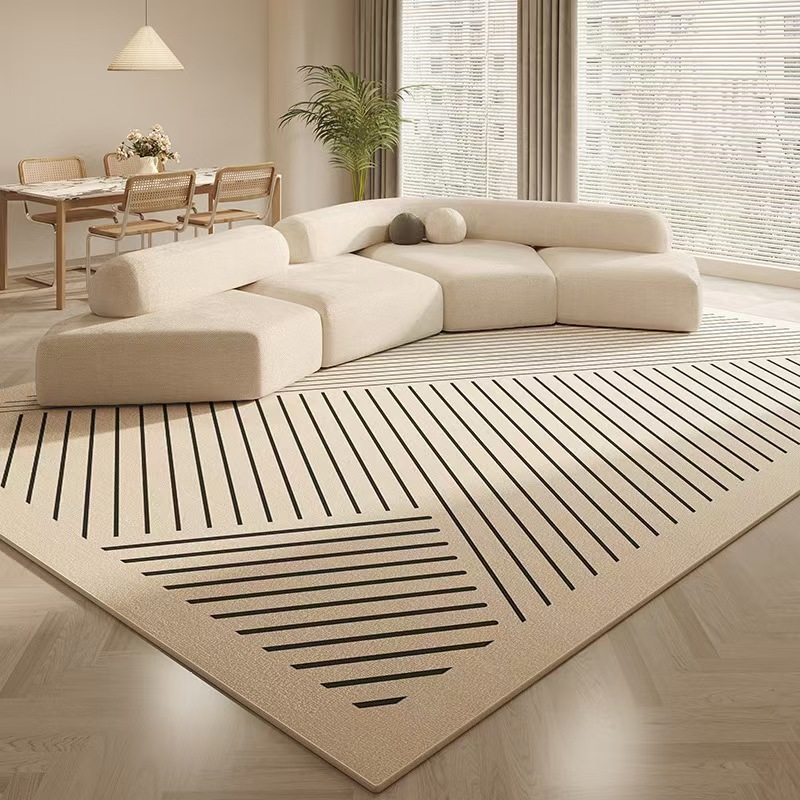
Matting remains the most common issue users face, but regular, strategic maintenance easily prevents it. You need a strict standard operating procedure for daily and weekly vacuuming routines. Adhering to these simple mechanical rules prevents fiber entanglement before it begins.
Disable rotating beater bars immediately. Use only straight-suction settings on your vacuum machine.
Attach a specialized hard-floor tool or an upholstery attachment instead of standard bristled carpet heads.
Always vacuum in the direction of the pile, known as the "nap." Pushing against the nap creates dark, shadowing patches and forces debris deeper.
Traffic management serves as your next crucial line of defense. High-traffic zones, like entryways and hallway corridors, flatten quickly if you ignore them. Implement strategic layout plans to manage footfall. Place protective, non-staining walk-off mats in entryways or transition areas. These mats reduce direct footpad friction and capture abrasive soil before it reaches the velvet. You should also rotate the rug and rearrange heavy furniture every three to six months. This strategy distributes physical wear evenly across the entire surface area, preventing localized bald spots.
Many homeowners and facility managers experience a frustrating two-year matting failure rate. This frequent user pain point arises directly from maintenance neglect, not necessarily poor material quality. Fibers naturally compress under human weight and repeated footsteps over time. Consistent, gentle grooming prevents individual threads from entangling and permanently flattening into a solid sheet. By strictly managing foot traffic patterns and vacuuming with low friction, you drastically extend the textile lifecycle.
Accidents happen frequently in both residential and commercial spaces, but improper spill responses ruin luxurious textures permanently. The golden rule for stain removal is absolute: always blot, never rub. Rubbing creates intense localized friction. This aggressive action forces the liquid stain deeper into the primary backing via capillary action. More importantly, scrubbing permanently warps and untwists the delicate velvet texture. This leaves a visible, irreversible scar on the sheen long after the stain itself vanishes.
Chemical safety dictates exactly what liquid products you should apply to the spill.
Always choose pH-neutral or certified eco-friendly cleaning agents designed specifically for synthetic textiles.
Select solvent-free formulas to prevent severe chemical burns or discoloration on the velvet fibers.
Avoid high-alkaline, off-the-shelf stain removers entirely. They strip fiber color dyes and rapidly degrade structural integrity.
Always perform a discrete patch test in a hidden corner before applying any new chemical to the main floor.
Once you successfully blot the spill and apply a safe cleaner, you must implement a strict drying protocol. Immediate air-drying is absolutely required to prevent water-logging. Set up heavy-duty floor fans or ceiling fans to circulate room-temperature air directly over the damp patch. Never apply direct heat sources like hair dryers, irons, or space heaters to accelerate drying. Extreme heat melts the synthetic pile instantly and causes the area to stiffen permanently into a rigid plastic texture. Gentle air drying ensures the material remains soft, pliable, and visually consistent with the surrounding floor.
Occasional deep extraction keeps the pile fresh and hygienic, but you must carefully evaluate your chosen method. The DIY approach carries immense physical risk to the product. Renting consumer-grade steam extractors from local hardware stores often destroys velvet surfaces. These rental machines lack sufficient vacuum suction power to pull heavy water back out of the dense pile. This mechanical failure leads to severe, prolonged over-wetting.
Excess moisture breaks down the latex adhesive backing over time. This breakdown causes delamination, where the primary and secondary carpet layers separate entirely. The heavy water weight also results in severe pile flattening that you simply cannot reverse once dried. To protect the integrity of your floor, you must understand the risk levels associated with different deep cleaning techniques.
Extraction Method | Moisture Application Level | Risk of Backing Delamination | Recommended Application |
|---|---|---|---|
DIY Consumer Rental Extraction | Extremely High | Severe Risk | Never recommended for velvet |
Hot Water Extraction (Professional) | Moderate to High | Medium Risk | Severe organic or biohazard stains only |
Low-Moisture Encapsulation | Very Low | Zero Risk | Annual restorative maintenance |
You should define clear criteria for when to outsource this task to certified experts. Hire a professional for annual restorative cleaning to maintain optimal softness and hygiene. Large commercial footprints also require industrial expertise to manage wide-scale wear efficiently. Always call an expert immediately if you encounter stubborn organic stains like blood, wine, or pet accidents.
When evaluating service providers, ask highly specific questions about their extraction methods. Ensure they fully understand velvet-specific handling procedures. Ask if they use low-moisture encapsulation technology instead of traditional hot water extraction. Encapsulation uses specialized botanical polymers to trap loose dirt particles. These polymers dry into microscopic crystals that you simply vacuum away later without soaking the backing. If a local cleaner insists on heavily soaking the textile, find a different provider immediately.
Long-term floor care truly begins at the initial procurement stage. You simply cannot clean your way out of a bad purchase. Cheaply manufactured materials shed continuously and mat down regardless of how perfectly you execute your maintenance protocols. Examining the product through an informed buyer's lens reveals that manufacturing quality strictly dictates your ultimate maintenance success.
You must evaluate construction specifications carefully before finalizing any purchase. Pay close attention to pile density, fiber twist levels, and overall backing integrity. High pile density provides necessary structural support, preventing individual vertical threads from collapsing under human pressure. A strong, stable backing ensures the latex adhesive holds up robustly against routine vacuuming and occasional spot treatments. Ignoring these foundational specifications directly impacts the overall lifespan and practical durability of your installation.
Leveraging the custom advantage offers the absolute best protection against premature wear. When you order a custom Crystal Velvet Carpet from a professional carpet manufacturer, you completely control the final quality. You can specify high-traffic protective chemical treatments during the initial production phase. You can also request distinct stain-resistant fiber blends specifically tailored to your demanding environment. Ordering exact, bespoke room dimensions minimizes awkward seams and uneven wear across tricky floor layouts. Sourcing from a reliable, specialized factory ensures the foundational build is strong enough to withstand ongoing cleaning protocols for decades.
Crystal velvet remains highly durable when you maintain it correctly over its lifespan. Strict adherence to low-friction and low-moisture cleaning protocols preserves its signature softness and reflective sheen indefinitely. You must completely abandon aggressive brushing, hot water soaking, and heavy liquid extraction to keep the delicate surface flawless. Gentle, consistent care easily mitigates the risks of premature matting and fiber damage.
If you are currently evaluating interior flooring options for an upcoming commercial or residential project, prioritize premium fiber quality and robust manufacturer warranties. Look specifically for dense materials engineered to resist crushing and structural shedding. Proper procurement makes daily maintenance substantially easier.
Take immediate action to secure the best foundational materials for your space. Consult with an expert manufacturer today to review bespoke sizing, fiber blends, and custom design options. Request their official, written care guidelines to align your maintenance team with industry-standard best practices before finalizing your installation.
A: Yes, provided the robot vacuum allows you to disable the rotating bristle brush and rely solely on suction. Automated spinning brushes create intense friction that frays delicate fibers over time. Always test the robot on a small edge first to ensure it does not snag or bruise the sheer finish.
A: Gentle brushing with a velvet-specific grooming brush or using a specialized low-heat professional steaming tool safely "wakes up" the fibers. Always stroke the fibers lightly in the direction of the natural nap. Never apply direct, high-temperature heat, as this will melt or permanently distort the synthetic material.
A: Generally yes, as they lack harsh bleaches and high-alkaline chemicals that burn synthetic fibers. However, manufacturing dyes vary across different production batches. A discrete patch test in an inconspicuous area is always required to verify colorfastness and ensure the formula leaves no sticky residue.
A: Every 12 to 18 months, depending on foot traffic, using low-moisture methods to preserve the pile's softness. High-traffic commercial areas may require attention every six months. Ensure technicians use encapsulation methods rather than heavy hot-water extraction to prevent backing delamination.


