
- All
- Product Name
- Product Keyword
- Product Model
- Product Summary
- Product Description
- Multi Field Search

Views: 0 Author: Site Editor Publish Time: 2026-07-03 Origin: Site


Sourcing floor coverings often feels like a massive gamble for many procurement teams. Crystal velvet offers extreme cost-effectiveness and unmatched visual versatility. However, the global market overflows with varying quality grades. These products frequently appear completely identical in digital supplier catalogs. This superficial visual similarity easily masks significant structural flaws. Buying blind often leads to severe safety liabilities, premature wear, and massive logistical headaches. You need a reliable, objective framework to evaluate suppliers and ensure overall product viability. We will break down specific technical specifications to help commercial buyers navigate this space safely. You will learn how to assess fiber density, backing materials, and modern printing technology accurately. Keep in mind, crystal velvet functions purely as a synthetic polyester blend. Manufacturers design it specifically for high-resolution printing and easy daily maintenance. It is absolutely not a legacy woven textile, so set your durability expectations accordingly.
Quality is in the density, not just pile height: Grams per square meter (GSM) and fiber density dictate durability and print clarity.
Backing materials define safety and lifespan: Non-woven point plastic vs. TPR backing drastically impacts the performance of an anti-slip crystal velvet carpet.
Printing tech matters for custom designs: 3D crystal velvet carpets require specific heat transfer sublimation standards to prevent fading and bleed.
Logistics impact ROI: Foldability and vacuum-packing can reduce shipping volume by up to 40%, but require proper recovery protocols upon unpacking.
Vetting OEM/ODM partners: Assess factories based on MOQs, compliance certifications (e.g., colorfastness, flammability), and exact prototyping capabilities.
Understanding the material profile forms the foundation of smart sourcing. Crystal velvet utilizes a highly specific short, dense pile structure. This differs drastically from standard flannel or traditional tufted rugs. The synthetic fibers stand tightly packed together. This creates a remarkably smooth surface ideal for detailed printing. It feels soft underfoot but lacks the deep sink-in quality of shag materials. You must evaluate this texture based on its intended commercial use case rather than traditional luxury standards.
You must evaluate the GSM rule carefully. GSM stands for Grams per Square Meter. It serves as the ultimate metric for material density and overall quality. Low-end disposable options usually sit around 600 to 800 GSM. We recommend a baseline of 1000 GSM or higher for acceptable commercial quality. Higher density directly correlates to superior wear resistance. Dense fibers resist crushing under constant foot traffic. They also hold complex dyes much better than sparse, loosely packed alternatives.
Edge binding quality also demands close attention from buyers. We highly recommend specifying tight, double-stitched overlock edges. Poor binding unravels quickly in busy environments. Strong overlocking wraps thick yarn tightly around the raw edge. This technique prevents fraying completely. It extends the usable lifecycle of the rug significantly. Pay attention to corner finishing during your sample inspections. Sloppy corners often indicate rushed manufacturing processes.
Finally, consider washability and daily maintenance expectations. Crystal velvet resists most liquid staining naturally due to its polyester composition. The realistic lifecycle depends heavily on structural integrity after multiple commercial or machine washes. Dense piles release trapped dirt very easily. However, weak edge stitching will fail instantly during machine agitation. High-quality variants withstand dozens of wash cycles without losing their structural shape or texture.

Liability and compliance stand as top priorities for all commercial buyers. Framing backing quality as a critical risk-management factor prevents future lawsuits. Slipping hazards ruin brand reputations instantly in retail environments. Choosing an effective anti-slip crystal velvet carpet eliminates this specific danger. Buyers must scrutinize the bottom layer just as closely as the printed surface. A beautiful rug holds zero value if it creates an unsafe walking surface.
You must carefully compare different backing technologies. Suppliers generally offer two main options. Non-woven cloth featuring point plastic dots remains extremely cost-effective. It works fine for light traffic areas or temporary displays. However, it degrades rapidly after repeated washing or heavy friction. TPR or SBR latex offers much higher durability. These rubberized materials provide superior grip and structural integrity for hard floors. They resist temperature changes and maintain their flexibility over years of use.
Here is a direct comparison of common backing types to guide your procurement decisions.
Backing Material | Cost Level | Grip Performance | Durability & Washability | Best Use Case |
|---|---|---|---|---|
Non-Woven Point Plastic | Low | Moderate | Low (Degrades quickly in wash) | Promotional items, temporary events |
TPR (Thermoplastic Rubber) | Medium to High | Excellent | High (Maintains shape after washing) | Home decor, retail environments |
SBR Latex | High | Superior | Very High (Commercial grade) | High-traffic commercial spaces |
Always perform thorough adhesion testing on your physical samples. Ask buyers to request hard data on the manufacturing bonding process. You need to know exactly how the factory bonds the backing to the velvet surface. Poorly glued layers lead to severe delamination over time. You can perform a simple manual peel test. Try pulling the backing away from the pile at the corners. A quality bond should resist manual separation entirely.
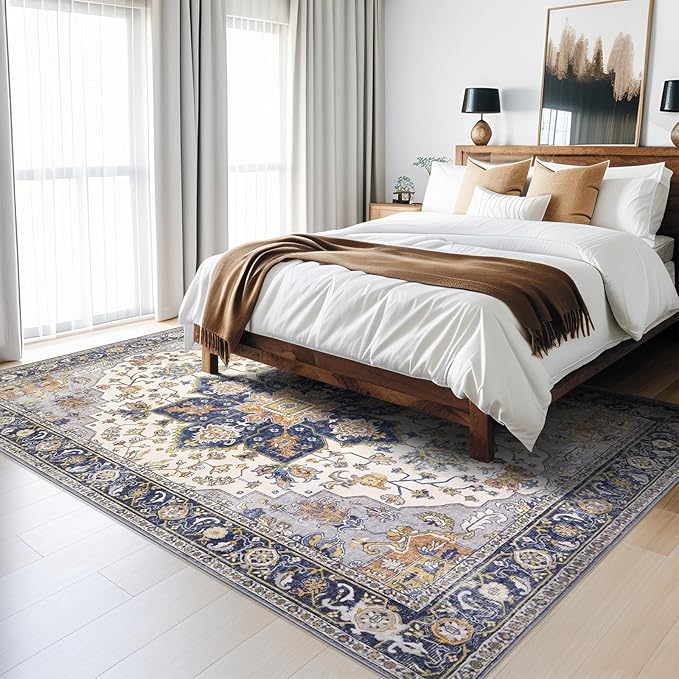
Modern carpet aesthetics rely heavily on heat transfer sublimation. This technical process produces high-resolution, photorealistic patterns easily. Manufacturers print designs onto specialized transfer paper using high-quality inks. They apply extreme heat and pressure to the paper and the carpet simultaneously. The inks convert into gas. This gas permeates the synthetic polyester fibers permanently. This method prevents the fabric from stiffening. custom crystal velvet rugs maintain their incredibly soft texture through this exact technique. Surface-level screen printing simply cannot match this durability.
Establishing strict evaluation criteria helps when assessing a 3D crystal velvet carpet. The visual illusion depends entirely on print clarity. You should look for three specific indicators during your quality control checks:
Visual depth: Shadows and highlights must create a convincing three-dimensional illusion from multiple viewing angles.
Edge sharpness: Complex geometries and fine lines need crisp, well-defined borders without any ink bleeding.
Color saturation: Deep blacks must look truly dark, and bright accent colors should pop vibrantly under standard lighting.
Colorfastness standards cannot be ignored under any circumstances. Emphasize the need to request ISO colorfastness ratings from your supplier. You want documented resistance to fading from direct UV exposure and physical friction. We recommend asking for ISO 105-B02 testing for lightfastness. You should also request ISO 105-X12 testing for rubbing resistance. Inferior dyes bleed quickly during routine cleaning and fade rapidly near sunny windows.
Custom sizing and cutting introduce distinct limitations to your order. Discuss dimensional tolerances directly when ordering non-standard shapes or continuous rolls. Automated cutting machines handle basic rectangles flawlessly with tight precision. Complex organic shapes may require manual finishing. Manual cutting increases lead times and slightly raises the risk of dimensional variations. Always establish an acceptable tolerance margin before signing the contract.
Balancing production scalability and agility requires deep supplier analysis. You must determine if a manufacturer handles both high-volume standardized runs and low-MOQ custom batches effectively. A true OEM ODM carpet factory adapts its assembly lines to your shifting seasonal demands. They should offer dedicated lines for massive wholesale orders while maintaining agile teams for bespoke client requests. Avoid factories that only cater to rigid, massive volume commitments.
Implement a mandatory prototyping and sampling process. Do not skip these crucial verification phases to save a few days. Follow this strict sequence:
Digital proof: Review digital layouts to confirm pattern scaling, placement, and CMYK color codes.
Swatch sample: Test a small physical piece for GSM weight, surface texture, and dye accuracy.
Full-scale pre-production sample: Verify edge binding quality, backing adhesion strength, and exact overall dimensions.
Compliance and certifications protect your international market access. List necessary verifications early in supplier negotiations. European markets require strict REACH compliance to ensure chemical safety. Localized flammability standards dictate strict safety limits in commercial spaces. Check if the factory holds certifications for non-toxic dyes. This protects end-users from harmful chemical off-gassing. Genuine factories provide these certificates immediately upon request.
Quality Control (QC) protocols reveal a supplier's true reliability. Look closely at their internal defect rate policies. Ask about their openness to third-party inspections. Transparent factories welcome external auditors willingly. They integrate QC checks at multiple stages. They check raw yarn density, monitor ink temperatures during sublimation, and inspect final binding before packaging. A strong internal QC team drastically reduces your post-delivery headaches.
Navigating international procurement involves distinct dangers. The "bait and switch" risk remains highly prevalent in textile sourcing. Unscrupulous suppliers might ship a premium golden sample but deliver inferior mass production. You must lock in spec sheets firmly in the purchase agreement. Detail the exact GSM, backing type, edge stitching method, and dye process. This solid legal framework ensures your crystal velvet carpet wholesale orders match your initial expectations precisely.
Packaging and shipping logistics severely impact your bottom line. Compare traditional rolling versus vacuum-packing or folding. Rolling prevents material creases entirely. It ensures the product looks perfect immediately upon unpacking. However, rolled carpets consume massive cargo space. Vacuum-packing reduces shipping volume by up to 40 percent. This drastically lowers expensive ocean freight costs. However, you face a distinct trade-off. Vacuum-packed goods require significant time and space for crease recovery before retail display.
Hidden cost variables destroy expected margins easily if ignored. Customized packaging adds unexpected expenses quickly. Retail-ready inserts, printed barcodes, and branded shrink-wrap require extra labor and materials. Furthermore, fluctuating raw polyester costs impact final wholesale pricing margins constantly. Secure your pricing terms in advance. Negotiate pricing locks for six-month intervals to absorb these raw material shifts effectively. Clarify who pays for custom packaging molds before finalizing the invoice.
Procuring synthetic floor coverings requires strict discipline and objective metrics. Prioritize GSM density above basic aesthetic appeal to ensure lasting durability. Verify backing materials rigorously to prevent liability issues and slipping hazards. Always test print colorfastness to ensure long-term visual product viability. These distinct steps form a robust, reliable procurement decision framework for your sourcing team.
Take immediate action by refining your current supplier list. Request detailed technical spec sheets from a shortlisted group of three to four vetted manufacturers. Order physical samples next. Test these samples vigorously against the density and safety metrics outlined above. Establish clear communication regarding packaging and MOQs early. This proactive, data-driven approach eliminates sourcing guesswork entirely and protects your brand reputation.
A: Standard OEM timelines usually range from 25 to 40 days. The sampling phase takes roughly 7 to 10 days. Once you approve the golden sample, mass production requires an additional 15 to 30 days. High-volume seasons may extend these timelines slightly. Always confirm schedules before signing purchase agreements.
A: No, they do not retain permanent creases. Crystal velvet utilizes polyester fibers containing strong material memory. Vacuum-packing causes temporary folding lines. These lines vanish gradually. You can accelerate recovery by laying the rug flat in a warm room. Gentle heat treatment or steaming removes stubborn creases almost instantly.
A: They work exceptionally well for low-pile needs and high visual impact areas. Retailers use them for seasonal displays, boutiques, and light office environments. However, they are not a substitute for heavy-duty nylon broadloom. Extreme traffic areas like hotel lobbies require specialized woven materials. Use crystal velvet for moderate daily foot traffic.
A: Standard unprinted designs often require minimal MOQs, sometimes as low as 50 pieces per size. Custom printed designs usually demand higher minimums. Factories typically request 200 to 500 square meters for unique patterns. This covers the initial setup costs for sublimation printing and specialized custom cutting.


