
- All
- Product Name
- Product Keyword
- Product Model
- Product Summary
- Product Description
- Multi Field Search

Views: 0 Author: Site Editor Publish Time: 2026-06-05 Origin: Site


Living alongside energetic toddlers and playful pets requires a unique approach to household maintenance. You face a daily barrage of spilled juice, muddy paws, and endless foot traffic. These messy realities demand flooring solutions capable of handling aggressive daily cleaning routines. The modern market bursts full of products claiming ultimate convenience. However, buyers frequently experience severe post-purchase regret. Their new floor coverings often arrive entirely too thin. The edges curl up dangerously after a single week. Furthermore, these oversized items simply refuse to fit inside standard home washing appliances.
We must establish a highly realistic, criteria-driven framework to evaluate these household products properly. Our guide helps you shift focus away from basic visual aesthetics. Instead, you will learn to prioritize essential material science, structural engineering, and true durability. By understanding these core construction elements, you can guarantee long-term viability within your high-stress home environment.
True washability has logistical limits: Washing machine capacity dictates realistic maintenance; anything over 8x10 often requires a commercial laundromat unless specifically engineered to be lightweight.
Construction dictates lifespan: A reliable washable rug relies on tight-weave, snag-resistant synthetic or treated natural fibers to withstand both pet claws and repeated machine cycles.
The backing is the failure point: High-quality backing prevents dangerous curling and slippage, separating standard disposable rugs from those engineered by a professional carpet manufacturer.
Comfort vs. Utility tradeoff: Families do not have to sacrifice a cozy feel if they utilize the correct under-rug pad systems.
Families desperately need a reliable Washable Rug protecting their floors from permanent stains. You want to avoid calling expensive professional extraction services every single month. However, marketing claims often overshadow the harsh physical realities of maintaining these items. We must define what success actually looks like for busy households.
First, we must understand basic machine capacity constraints. Your home washing appliance has strict physical limits. A product might proudly carry a washable label. Yet, large-area dimensions like 9x12 require specific low-pile engineering to function practically. A standard front-loading washer generally holds about 4.5 cubic feet of laundry. Trying to force a heavy, oversized piece into this small drum causes severe issues. You risk burning out the appliance motor entirely. Furthermore, tightly packed fabric cannot agitate properly, leaving deep stains trapped inside the fibers.
Next, we must transparently address the common thinness compromise. The most frequent buyer complaint revolves around tactile feel. Consumers unroll their purchase and express disappointment at its flat profile. We must explain why this happens. Traditional tufted floor coverings utilize stiff jute backings and heavy glue layers to hold yarns upright. Highly washable designs must eliminate these stiff layers completely so they can fold into a machine drum. Setting this realistic tactile expectation prevents immediate disappointment. You are trading initial thickness for unmatched operational convenience.
Finally, you must distinguish between spot-cleaning and deep machine washing. Frequent machine cycles aggressively wear down textile fibers over time. Machine-washing exists specifically for periodic deep cleans. You should reserve drum cycles for major pet accidents, severe spills, or accumulated odor removal. Day-to-day maintenance should still rely entirely on prompt spot-cleaning and regular vacuuming. Wiping up a minor spill with a damp cloth extends the lifespan of your flooring significantly.
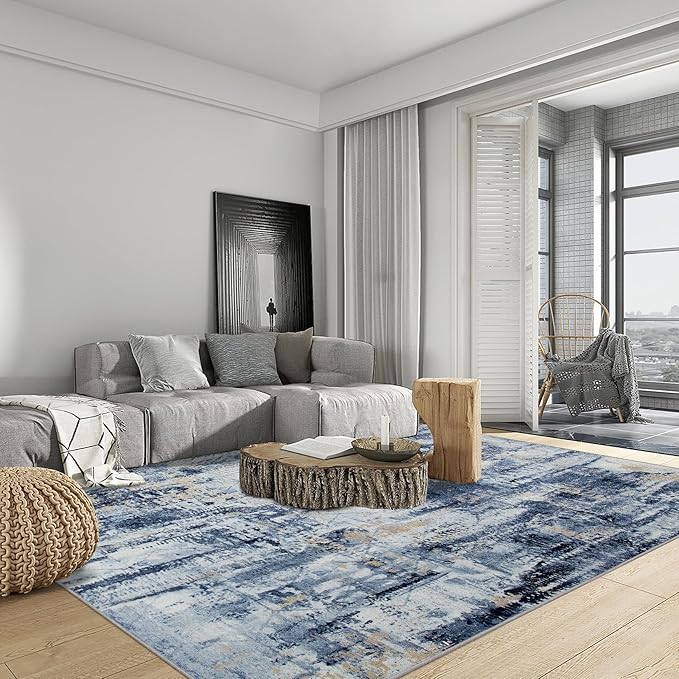
Fiber selection serves as the ultimate foundation for performance. You must choose materials actively resisting your household specific messes. Certain synthetic fibers inherently repel liquids. This creates a highly valuable "spill-proof" window. You gain crucial minutes to wipe up accidents before they penetrate the surface. Conversely, natural fibers absorb moisture almost immediately.
Fiber Type | Liquid Repellency | Durability Profile | Best Room Application |
|---|---|---|---|
PET (Recycled Polyester) | High - Liquids bead on the surface initially. | Excellent - Resists fading and physical abrasion. | Dining rooms, mudrooms, and active playrooms. |
Polyurethane Blends | Very High - Often features a wipeable coating. | Good - Can degrade if washed on high heat. | Kitchen prep areas and under high-chairs. |
Woven Cotton | Low - Absorbs spills very rapidly. | Moderate - Prone to shrinkage in the dryer. | Low-traffic bedrooms or formal sitting areas. |
Pet-specific engineering remains critical for households housing cats and dogs. Animals interact with floors much differently than humans do. Dogs scramble across slick surfaces, extending their claws for traction. Cats frequently knead soft textures. Tight-woven or flat-woven constructions prove vastly superior here. Traditional looped piles easily catch sharp claws, leading to disastrous structural unraveling. Flat weaves completely prevent these frustrating snags. Furthermore, they trap significantly less pet dander and hair, making your daily vacuuming routine highly efficient.
The manufacturing process distinguishes excellent investments from temporary aesthetic fixes. The modern market relies heavily on cheap, printed top-layers. These drop-shipped products print a surface pattern onto a blank white mat. Every time you wash them, the friction erodes the ink. Sourcing from a reliable professional carpet manufacturer ensures a vastly superior product. True professionals utilize colorfast, structurally integrated dyed yarns. These engineered fibers resist fading brilliantly, surviving dozens of hot-water machine washes while retaining their original vibrancy.
Implementation risks exist primarily around the structural edges. Edge-curling stands out as the most severe hazard in this product category. When a thin fabric layer loses its structural integrity, the corners naturally roll upward. Curled edges create severe tripping hazards threatening rushing toddlers and mobility-impaired elderly pets. A high-quality backing system acts as the primary defense against this structural failure.
Buyers must evaluate the two primary market solutions governing these systems. Understanding how they attach to your floor dictates your long-term satisfaction.
Two-Piece Systems: These configurations feature a removable, lightweight fabric cover paired with a separate, Velcro-like grip pad. The thin top layer fits effortlessly into small washing machines. However, realigning the cover perfectly onto the grip pad after washing often frustrates homeowners.
One-Piece Systems: These options utilize an integrated, non-slip TPR (Thermoplastic Rubber) backing directly permanently attached to the underside. They simply unroll onto the floor. While vastly easier to deploy daily, heavier one-piece designs demand larger washing machine capacities.
Beyond convenience, toxicity and flooring safety represent vital considerations. Many homeowners place these products over expensive hardwood floors. You must ensure backing materials do not off-gas harmful VOCs into your family living space. Furthermore, cheap PVC or low-grade latex backings undergo a process called plasticizer migration. These harsh chemicals react violently with polyurethane hardwood floor finishes. This chemical reaction leaves permanent, ugly yellow footprints burned directly into your expensive wood floors. Always verify your backing utilizes safe, non-reactive materials designed specifically for hard surfaces.
We must directly address widespread consumer skepticism. Many buyers assume easy-to-clean flooring inherently feels like harsh outdoor patio mats. They expect a stiff canvas texture completely unsuitable for a cozy family movie night. Historically, this assumption proved entirely correct. However, modern manufacturing techniques completely shifted this paradigm.
Adding underfoot cushioning solves the thinness problem brilliantly. You do not have to sacrifice comfort for utility. The secret lies in pairing a thin, highly durable top layer alongside a heavy-duty, specifically engineered cushioned pad. Many premium brands now offer dual-layer foam inserts. The top textile layer handles the messy liquid spills and muddy paws. Meanwhile, the hidden bottom pad provides the ergonomic support and plushness required when kids play directly on the floor for hours.
Visual texture also plays a massive role in creating a cozy atmosphere. Advanced modern printing and weaving techniques now successfully simulate complex visual depths. Manufacturers can mimic the distressed, worn look of vintage Persian wool. They can even simulate plush, high-pile shags without adding any un-washable bulk to the physical product. These visual tricks trick the eye, adding immense warmth and aesthetic comfort to a room while retaining absolute machine-wash functionality.
Choosing the correct product requires a disciplined, logical approach. Implementing a strict zonal strategy helps you match material science to specific room risks. Not every room requires the exact same level of durability. By mapping your house, you optimize your budget and functional performance.
Dining Rooms: These areas experience frequent food drops and constant chair movement. You absolutely need ultra-flat, tightly woven profiles. High piles trap crumbs endlessly and stop chairs from sliding freely.
Living Rooms: These communal spaces endure high foot traffic but fewer messy food spills. You can safely implement slightly higher, textured piles. This adds visual warmth where families gather to relax.
Entryways and Mudrooms: These transition zones face aggressive dirt, mud, and water ingress. They demand maximum durability, dark patterns to hide soil, and highly water-resistant synthetic fibers.
Standard dimensions often fail modern open-concept floor plans. Sourcing a precise custom Washable Carpet tailored perfectly to exact room measurements offers immense benefits. Standard sizes sometimes create awkward overlaps. A rug might accidentally cover a floor heating vent. Alternatively, a standard runner might leave dangerous floating edges inside a busy, high-traffic hallway. Custom dimensions eliminate these safety hazards entirely, ensuring a flush, professional fit.
Before executing any purchase, buyers should complete specific next-step actions. Do not rely on marketing pictures alone. Measure your exact washing machine drum capacity in cubic feet. Verify the exact backing material composition to ensure compatibility with your specific hardwood finish. Finally, closely read the manufacturer return policies specifically regarding post-wash shrinkage. Knowing these details prevents costly mistakes.
Purchasing a machine-friendly floor covering represents a highly intelligent investment in your household operational efficiency. You reclaim countless hours previously wasted scrubbing stubborn stains on your hands and knees. You eliminate the recurring stress associated with inevitable toddler spills and messy pet accidents.
The final verdict remains clear. The absolute best choice carefully balances synthetic fiber durability against a highly reliable backing system. It also fully respects your realistic home appliance limitations. You must trade the expectation of massive, tufted thickness for the reality of supreme hygienic convenience.
We encourage you to review all material specifications incredibly closely before finalizing any transaction. Look past the beautiful staging photos. Instead, scrutinize the fiber types, backing chemistry, and precise weight limits. Consult directly with an expert manufacturing team to configure the ideal floor covering meeting your family's unique daily requirements.
A: Standard top-loading washing machines (approximately 3.5 to 4.5 cubic feet) comfortably accommodate 5x7 or 6x9 lightweight fabrics. Front-loading machines handle these sizes slightly better because they lack a central agitator. Massive 8x10 or 9x12 dimensions absolutely require oversized commercial laundromat extractors. Forcing an oversized piece into a standard home drum restricts necessary water flow and risks burning out your expensive appliance motor.
A: Yes, prolonged exposure to harsh enzymatic cleaners actively degrades TPR and standard latex backings over time. The biological chemical breakdown causes rubber compounds to crumble, crack, or completely lose their non-slip grip. You must rinse enzymatic cleaners out thoroughly. Always ensure the backing air-dries completely before placing it back onto hard floors to prevent chemical transfer onto your wood.
A: Yes, high heat irreversibly damages synthetic fibers and actively melts rubber backings. Cotton blends face severe shrinkage rates up to 10% when exposed to high temperatures. We strictly warn against using standard hot dryer cycles. Always employ natural air-drying protocols or utilize the specific "air fluff" machine setting with zero heat to maintain original structural integrity.
A: A high-quality synthetic blend typically survives roughly 25 to 30 deep wash cycles before showing significant structural degradation or fading. Flat-weave PET lasts considerably longer than blended cotton. If you actively limit machine washing to quarterly deep cleans and rely primarily on daily spot-cleaning, a premium piece will easily serve your busy household for five to seven years.


