
- All
- Product Name
- Product Keyword
- Product Model
- Product Summary
- Product Description
- Multi Field Search

Views: 0 Author: Site Editor Publish Time: 2026-08-21 Origin: Site


The demand for ultra-soft flooring solutions often forces a choice between synthetic practicality and traditional luxury, with microfiber and velvet emerging as the leading contenders. Moving beyond basic design and color preferences, buyers frequently misjudge the maintenance overhead, pile resilience, and long-term visual degradation of high-pile textiles. Selecting the wrong material leads to premature wear, irreversible crushing, or excessive cleaning costs in high-traffic environments. You need to understand how these textiles interact with daily foot traffic, ambient moisture, and heavy furniture before committing to a purchase. This guide provides an evidence-based breakdown of microfiber and velvet materials, evaluating their structural composition, abrasion resistance, space-specific suitability, and lifecycle costs to facilitate an informed procurement decision. We will examine the exact polymer blends that make synthetic options durable, alongside the traditional weaving techniques that give natural cut-pile fabrics their signature sheen.
Composition Differences: Microfiber rugs are engineered from synthetic blends (primarily polyester and polyamide), prioritizing durability and stain resistance, whereas velvet rugs utilize a specific weaving technique that can incorporate either synthetic or natural fibers (cotton, silk, wool) for a distinct sheen.
Maintenance Realities: Microfiber offers superior liquid repellency and stain resistance but acts as a sponge if saturated; velvet requires specialized, often professional, cleaning to prevent pile distortion and watermarking.
Wear Patterns & Weight: Velvet is highly susceptible to "shading" (showing footprints and vacuum marks due to directional pile). Microfiber maintains a more consistent visual profile but is inherently lightweight, requiring high-quality rug pads to prevent slipping and buckling.
Cost-to-Lifespan Ratio: Microfiber provides a lower barrier to entry and high short-term resilience, making it ideal for active households, whereas authentic velvet is a high-cost investment suited for low-traffic, controlled environments.
Microfiber is defined by its microscopic fiber thickness rather than a specific raw material. The technical standard requires the synthetic fiber to be split to less than one denier. For context, this makes a single strand finer than a strand of silk and significantly thinner than human hair. Manufacturers typically blend two primary polymers to create this material. They use polyester for structural integrity and polyamide for tactile softness and absorbency. The standard ratio sits at 80% polyester to 20% polyamide, though premium versions may push to a 70/30 split for increased plushness. This specific combination yields high-tensile strength yarns that resist snapping under pressure.
The manufacturing process relies on mechanically or chemically splitting these synthetic fibers during extrusion. This splitting action creates a massive surface area across the textile. The expanded surface area effectively traps airborne dust and allergens, keeping them out of the breathing zone until vacuumed. It also achieves the plush texture characteristic of polyester rugs. Despite the dense tactile feel, the microscopic nature of the fibers results in a notably lightweight final product. This lightweight characteristic necessitates proper anchoring on hard floors. Without a dense rubber or felt pad, the rug will buckle, creating a severe trip hazard and accelerating wear on the backing.

Velvet refers strictly to a weave structure rather than a raw fiber type. It is characterized by a dense, short, and highly uniform cut pile. Looms weave two thicknesses of material simultaneously face-to-face. A specialized blade then cuts them apart down the middle to create the signature soft face on both pieces. Because velvet is a structural technique, manufacturers can craft it from various raw materials. Natural velvet utilizes cotton, wool, or silk for superior breathability and historical authenticity. Synthetic versions often use nylon or viscose to replicate the look at a lower production cost.
You must exercise extreme caution with viscose blends. Viscose mimics the luxurious sheen of silk perfectly but suffers catastrophic structural failure when exposed to moisture. The weaving process inherently creates a "directional pile." This means the fibers lay in a specific direction, permanently angled by the loom. The nap reflects light differently depending on your viewing angle. Brushing the fibers against the nap creates dark patches, while smoothing them down creates a lighter, reflective surface. This optical variance defines the velvet aesthetic but requires specific maintenance to keep the pile aligned.
Material Characteristic | Microfiber | Velvet |
|---|---|---|
Primary Composition | Synthetic polymers (Polyester/Polyamide) | Weave structure (Cotton, Silk, Wool, Viscose) |
Fiber Thickness | Less than 1 denier (microscopic) | Varies based on raw material used |
Manufacturing Method | Extrusion and fiber splitting | Face-to-face double cloth weaving |
Pile Directionality | Multi-directional, matte finish | Strictly directional, high sheen |
Base Weight | Inherently lightweight | Heavy, dense construction |
We measure durability by a material's ability to withstand friction without pilling, shedding, or degrading over time. Microfiber exhibits exceptionally high tensile strength. The continuous synthetic filaments resist tearing and rarely shed, even under heavy vacuuming. However, it remains susceptible to matting. If you place a high-pile microfiber rug in a heavy traffic zone, the constant downward pressure compresses the synthetic strands permanently. Once the microscopic fibers tangle and flatten, no amount of vacuuming will restore the original loft.
Velvet proves highly prone to crushing. Natural fiber velvets lack the elastic memory of synthetic polymers. They suffer friction damage quickly under heavy footfall or moving furniture. A dense, high-quality rug pad is mandatory for velvet installations. The pad mitigates wear by absorbing the impact between the shoe and the rigid subfloor. Without this absorption layer, the velvet pile grinds against the backing and breaks at the root. Chair casters will destroy a velvet pile within weeks, snapping the fibers and leaving permanent bald spots.
Maintenance success depends on spot cleaning ease, vacuum compatibility, and discoloration resistance. Microfiber is naturally oleophilic. This means it attracts and binds to oils, including pet sebum, cooking grease, and skin oils. However, it remains highly resistant to water-based stains. Liquids often bead on the surface initially due to the surface tension of the dense fibers. You must use a suction-only vacuum setting. Rotating beater bars generate friction heat that can literally melt or tangle the fine synthetic fibers, leaving permanent scorch marks or frizzy patches.
Velvet is extremely sensitive to moisture. Liquid spills cause immediate and often permanent pile distortion, known in the flooring industry as watermarking. You cannot aggressively scrub velvet. Agitation destroys the uniform cut pile, leaving a fuzzy, damaged patch that catches the light poorly. Authentic velvet requires dry cleaning or specialized moisture extraction methods using low-moisture encapsulation. Routine maintenance involves gentle brushing with a velvet-specific carding tool to maintain the nap direction and remove surface dust without distorting the weave.
Visual consistency dictates how a rug integrates into a room's design. Microfiber provides a matte, consistent finish. It absorbs ambient light rather than reflecting it. This material dominates the market for soft area rugs designed for tactile comfort in casual living spaces. The visual profile remains stable regardless of foot traffic. You will not see distinct vacuum lines or footprints, making it visually forgiving in busy households.
Velvet offers a high-end, luminous sheen. The aesthetic changes dynamically with light sources and footfalls. This creates the shading or tracking effect. Some designers prize this dynamic look for its luxurious depth and movement. Others find the constant appearance of footprints and vacuum tracks visually messy. You must decide if this dynamic texture fits your aesthetic tolerance. In a room with heavy natural light, a velvet rug will look entirely different in the morning compared to the evening.
Microfiber proves highly receptive to synthetic dyes. The polymers lock in color at a molecular level during the solution-dyeing process. This allows for vibrant, fade-resistant printed designs and sharp modern geometric patterns. It withstands UV exposure through large windows significantly better than many natural fibers, preventing the rapid bleaching often seen in sun-drenched rooms.
Velvet excels in deep, rich, luminous solid colors. The directional pile enhances color depth, making jewel tones like emerald, navy, and burgundy appear incredibly saturated. Traditional velvet weaving limits complex printed designs. The focus remains on unparalleled depth of tone rather than intricate surface patterns. If you want a complex, multi-colored medallion design, velvet is rarely the correct structural choice.
Performance Metric | Microfiber | Velvet |
|---|---|---|
Abrasion Resistance | High tensile strength; resists shedding. | Low; prone to crushing and friction damage. |
Stain Resistance | Repels water; attracts oils (oleophilic). | Highly sensitive; prone to permanent watermarks. |
Visual Profile | Matte, consistent finish. | Luminous sheen; highly dynamic shading. |
Vacuum Compatibility | Suction-only; beater bars melt fibers. | Suction-only; requires gentle nap brushing. |
UV Resistance | Excellent; resists sun fading. | Moderate to Low; natural fibers fade quickly. |
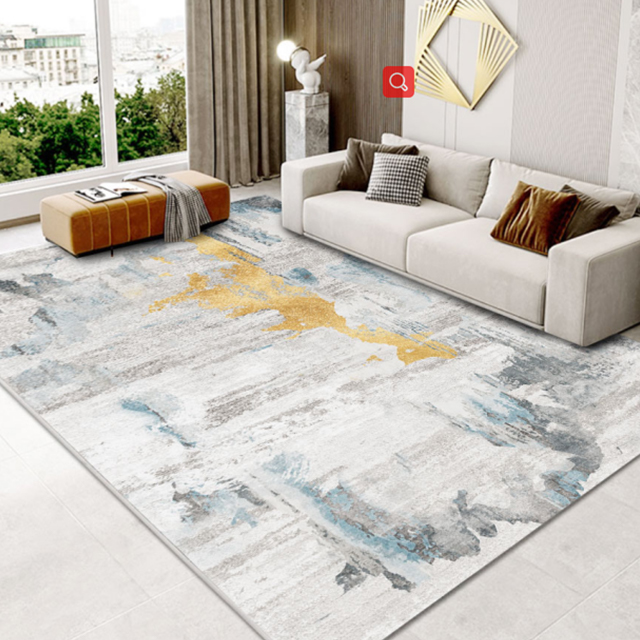
Both materials perform exceptionally well in bedrooms. microfiber rugs excel as accessible, ultra-soft landing zones under beds. They provide immediate warmth and tactile comfort for bare feet on cold mornings. The synthetic fibers do not trigger wool allergies, making them ideal for sensitive sleepers. Velvet offers unparalleled luxury for primary suites. The low foot traffic preserves the delicate nap. The dynamic sheen of velvet elevates the formal aesthetic of a master bedroom significantly, interacting beautifully with bedside ambient lighting.
Microfiber wins in active living rooms. Its synthetic resilience handles daily foot traffic and pet activity much better. The matte finish hides minor disruptions, and the fibers bounce back from standard sofa weights if rotated occasionally. Conversely, a velvet carpet quickly shows distinct wear paths between couches and doorways. Heavy coffee tables leave permanent indentations in the velvet pile that rarely recover, even with professional steaming. If you use velvet in a living room, it must be a low-traffic, formal parlor rather than a daily gathering space.
Both materials present major dealbreakers in dining spaces. High-pile microfiber traps dropped food particles deep within the synthetic strands, making post-meal cleanup a nightmare. The dense texture also impedes sliding dining chairs, causing the rug to bunch up and create trip hazards. Velvet suffers even worse under dining tables. Chair casters and wooden legs crush the pile instantly. Food oils and wine cause permanent stains that ruin the uniform sheen. Low-pile wool or flat-weave PET rugs serve as far superior alternatives for dining environments.
Avoid velvet entirely in these zones. The moisture sensitivity guarantees immediate watermarking from wet shoes or damp towels. The grit tracked in from outside will cut the velvet fibers at the base. Microfiber can function in bathrooms if it features a specialized washable backing. However, its high surface area means it absorbs massive amounts of water. It will hold onto mud and moisture if not hung to dry promptly, leading to rapid degradation of the backing adhesive.
Microfiber's microscopic structure creates a powerful capillary action. If a liquid spill breaches the initial surface tension, the rug absorbs the liquid rapidly, pulling it down to the base. The dense fibers trap moisture near the backing. If you do not elevate and dry the rug completely, mold and mildew develop quickly within the synthetic base, destroying the rug from the inside out. Velvet carries severe risks of dye bleeding. High humidity environments can cause structural shrinkage in natural velvet blends. Improper liquid cleaning permanently alters the chemical structure of viscose velvet, turning a soft sheen into a stiff, yellowed patch.
You must evaluate the tracking effect before purchasing velvet. Velvet carpet broadcasts every footprint, pet track, and vacuum stroke. You must determine if this dynamic appearance is an aesthetic feature or a daily frustration for your specific space. Microfiber resists tracking much better. However, its resilience to crushing depends entirely on its density. You must check the knots per square inch or the face weight. A low-density, high-pile microfiber rug flattens out within months of heavy use. Always press your thumb firmly into the pile before buying; if you can easily feel the hard backing, the rug lacks the density required for longevity.
Selecting between these materials requires balancing luxurious appeal against utilitarian function. Velvet delivers a formal, sophisticated aesthetic that anchors high-end interior designs. It demands a pristine environment, careful handling, and a commitment to specialized maintenance. Microfiber delivers maximum tactile softness and pet-friendly utility. It withstands chaotic household activity, resists liquid spills, and cleans up easily, but it lacks the historical prestige and luminous depth of a woven velvet textile. Your choice dictates how you will live in the room.
You must interrogate your rug supplier regarding exact fiber composition. Never accept "synthetic blend" as a sufficient answer. Ask for the exact percentages of polyester versus polyamide in a microfiber carpet. Higher polyamide content generally indicates a softer, more absorbent product. Verify the backing materials carefully. Avoid cheap latex backings that off-gas VOCs or crumble after a year on hard floors. Request Thermoplastic Rubber (TPR) or high-grade cotton canvas backings for better longevity and floor protection. Ensure the supplier provides clear documentation on colorfastness ratings and recommended cleaning solvents.
Microfiber rugs serve as the objective choice for high-traffic, spill-prone environments requiring tactile softness without intense maintenance demands. Velvet rugs remain the definitive standard for low-traffic, formal spaces where aesthetic sheen and traditional luxury outweigh practical durability. Understanding the structural limitations of each material prevents costly replacement cycles and ensures your flooring performs exactly as required for your specific lifestyle.
Execute the following steps before finalizing your material selection:
Measure your room dimensions and map out furniture placement to identify high-friction zones where chair legs will drag.
Assess the daily foot traffic volume of the target room to determine the necessary pile resilience and crush resistance.
Request physical material swatches from suppliers to test light reflection, shading effects, and colorfastness in your specific lighting environment.
Verify vacuum compatibility by checking if your current cleaning equipment features a switch to disable the rotating beater bar.
A: Yes, high-pile microfiber requires specific vacuuming techniques. You must use a suction-only setting. Rotating beater bars generate friction that can damage, tangle, or melt the fine synthetic fibers, ruining the plush texture permanently.
A: Yes, velvet features a directional pile. The fibers reflect light differently when brushed in opposite directions. This characteristic makes footprints, vacuum tracks, and furniture indentations highly visible across the surface of the rug.
A: Most microfiber area rugs cannot be machine washed despite the synthetic fibers. The rigid backings degrade in washing machines. Additionally, microfiber absorbs massive amounts of water, creating excessive weight that can damage standard washing machine drums.
A: Microfiber is significantly better for pets. It resists liquid stains effectively and withstands claw friction without severe shedding. Velvet traps pet hair deeply, suffers permanent watermarks from pet accidents, and scratches easily under claws.
A: Crushed velvet requires professional steam extraction or specialized brushing to lift the pile. Natural velvet fibers may recover with gentle, controlled steaming. However, synthetic viscose velvet often suffers permanent structural damage once crushed by heavy furniture.
A: High-quality microfiber rugs rarely shed because manufacturers use continuous synthetic filament yarns. However, lower-density options might experience minor pilling if subjected to heavy friction or improper vacuuming with an active beater bar.


