
- All
- Product Name
- Product Keyword
- Product Model
- Product Summary
- Product Description
- Multi Field Search

Views: 0 Author: Site Editor Publish Time: 2026-08-25 Origin: Site


The persistent challenge for facility managers and homeowners is sourcing flooring that withstands heavy foot traffic without sacrificing structural integrity or aesthetic appeal. Standard cut-pile carpets frequently suffer from premature crushing, matting, and wear patterns in high-use corridors, leading to accelerated replacement cycles and inflated lifecycle costs. A loop pile carpet solves this by maintaining intact yarn loops, creating a highly resilient, structured surface. This guide evaluates the mechanics, material variations, pile heights, and implementation realities of loop pile flooring to determine its viability for specific residential and commercial applications.
Uncut yarn construction inherently provides superior crush resistance and structural durability compared to traditional cut-pile alternatives.
Material selection (nylon, olefin, or wool) and pile height dictate the precise balance between upfront cost, stain resistance, and long-term wear.
While optimal for commercial environments and high-traffic residential zones seeking a durable, casual feel, loop pile carries specific snagging risks in pet-heavy spaces that require mitigation.
Partnering with a vetted carpet supplier is critical for managing installation complexities, particularly regarding pattern matching and seam visibility.
Carpet manufacturing begins at the tufting machine. Hundreds of needles push continuous yarn through a primary woven backing material. In standard manufacturing, a blade slices the top of these loops to create a plush surface. Uncut construction skips this shearing step entirely. Small hooks called loopers hold the yarn in place as the needles retract. The loops remain intact. A layer of latex adhesive then locks these loops into a secondary backing, typically made of jute or synthetic action bac. This creates exceptional dimensional stability. The intact loops form a continuous surface tension. The fiber tips never expose their internal twist to ambient friction. We measure the density of this construction using gauge and stitch rate. Gauge refers to the distance between the needles, often 1/10 or 1/8 of an inch. Stitch rate measures the number of tufts per inch down the length of the roll. High gauge and tight stitch rates produce a dense, impenetrable surface.
Intact, densely packed loops function like miniature structural arches. They distribute weight evenly across the surface. When heavy static loads press down, the loops support each other. They resist flattening far better than individual, vertical cut fibers. Think about the pounds per square inch exerted by a heavy filing cabinet or a sofa leg. Cut pile fibers act like individual vertical columns. Under pressure, these columns bend, untwist, and mat together permanently. Uncut loops maintain their structural integrity under identical pressure. Dynamic loads from heavy foot traffic or rolling office chairs also fail to crush the structure. The continuous yarn springs back to its original shape.
Cut pile carpets suffer from a phenomenon known as blooming. The sheared tips of the yarn untwist over time. Friction from shoes and vacuum cleaners accelerates this untwisting. The fibers fray and spread out, creating a matted, worn appearance in traffic lanes. Loop construction eliminates blooming entirely. The yarn ends remain securely anchored in the backing. The surface remains structured, tight, and uniform. This structural difference makes uncut yarn the definitive choice for areas demanding maximum surface resilience. You will not see the distinct traffic patterns that plague plush carpets in hallways and corridors.
You must establish clear traffic volume thresholds before selecting a carpet type. Spaces exceeding moderate daily foot traffic necessitate uncut yarn structures. Corridors, lobbies, and active family rooms quickly destroy softer, less durable options. You should define clear lifecycle expectations based on structural integrity. Uncut loops extend the timeline between required replacements by resisting abrasive wear. Finally, you must assess maintenance baselines. The structured surface requires specific cleaning protocols. You must prevent dry soil from embedding deep within the backing matrix.
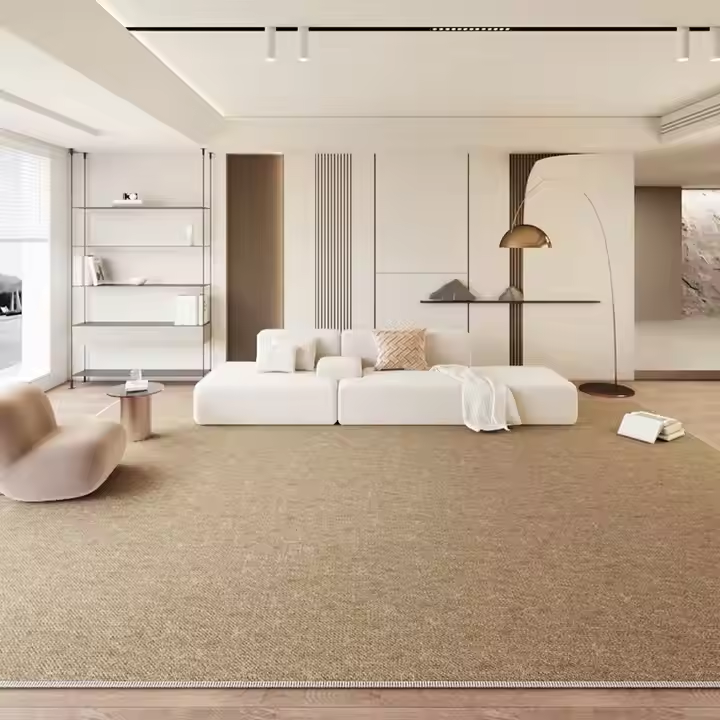
Pile height directly influences both performance and aesthetics. Manufacturers classify these heights to help you match the product to the environment.
Pile Height | Measurement | Density Level | Crush Resistance | Ideal Application |
|---|---|---|---|---|
Low Pile | Under 1/4 inch | Ultra-High | Maximum | Heavy Commercial, Corridors |
Medium Pile | 1/4 to 1/2 inch | Moderate | High | Residential Living Areas |
High Pile | Over 1/2 inch | Low to Moderate | Moderate | Bedrooms, Low-Traffic Zones |
Low pile features ultra-dense loops tightly packed into the backing. It offers maximum durability and ease of maintenance. Medium pile balances underfoot comfort with structural resilience. High pile designs feature taller, chunkier loops. They provide a softer feel and enhanced acoustic benefits but carry an increased vulnerability to crushing and snagging under heavy use.
Level loop designs feature a uniform loop height across the entire surface. This creates a smooth, dense, and exceptionally flat profile. The uniform surface delivers maximum durability and minimal dirt penetration. Dry soil remains on the surface rather than sinking between varying heights. Level loop provides optimal mobility for rolling traffic. Office chairs, utility carts, and wheelchairs glide easily over the flat surface. Ideal applications include heavy commercial use, institutional corridors, and minimalist modern interiors requiring a sleek aesthetic.
Multi-level designs utilize varying loop heights engineered during the tufting process. Computer-controlled yarn feeds create geometric patterns, organic designs, and distinct visual depth. This is commonly referred to as a textured carpet. The varying heights deliver an exceptional ability to camouflage footprints, vacuum marks, and ambient soil. The irregular surface scatters light, hiding minor imperfections. Ideal applications include high-traffic residential areas. It serves beautifully as a home decoration carpet where both aesthetics and durability are prioritized.
Berber and sisal styles feature thick, chunky loops. They often incorporate flecks of contrasting color against a neutral background. This design mimics natural woven materials. The construction provides a highly popular, casual feel and a rugged aesthetic. The thick yarns offer high resilience against foot traffic. However, the larger loops may be more susceptible to catching on sharp objects. Ideal applications include basements, family rooms, and transitional indoor spaces. They suit environments seeking a relaxed but highly durable design.
Nylon remains the industry standard for commercial installations. It possesses superior bounce-back memory. The fiber naturally returns to its original shape after compression. Nylon delivers unmatched abrasion resistance and longevity. It withstands aggressive foot traffic without degrading. Manufacturers often treat nylon with stain-resistant coatings to improve liquid repellency. When you require maximum performance in a demanding environment, nylon is the definitive choice.
Polypropylene, commonly known as olefin, offers distinct advantages and specific limitations. It boasts high resistance to moisture, fading, and water-based stains. Olefin is solution-dyed, meaning the color goes entirely through the fiber. It will not bleach or fade easily. However, olefin has lower resilience compared to nylon. It crushes more easily under heavy weight. To mitigate this, olefin loops must be kept short and densely packed. It performs best in low-profile, tight constructions. Olefin is also oleophilic, meaning it attracts oil-based soils. You must keep it away from commercial kitchens or automotive repair entrances.
Polyester provides excellent color clarity and vibrant retention. It resists water-based stains naturally. Many manufacturers produce polyester from recycled PET plastic bottles, offering an eco-friendly option. It feels softer underfoot than olefin. However, polyester lacks the structural resilience of nylon. It tends to mat and crush in extreme high-traffic commercial settings. You should restrict polyester loops to moderate-traffic residential areas.
Wool stands as the premium natural material for a loop carpet rug or high-end wall-to-wall installation. It possesses inherent soil resistance due to microscopic scales on the fiber surface. Wool is naturally flame retardant and self-extinguishing. It offers a highly sustainable lifecycle. Wool fibers have a natural crimp that provides excellent elasticity and crush resistance. The primary trade-offs involve specialized sourcing and maintenance. Wool requires specific pH-neutral cleaning solutions. Harsh alkaline chemicals will permanently damage the natural protein fibers.
Corporate offices, hospitality venues, and retail spaces demand rigorous flooring solutions. Low, dense level loops dominate these environments. They withstand thousands of daily footfalls without showing wear patterns. ADA compliance dictates specific flooring requirements for public spaces. Low-profile uncut yarn facilitates wheelchair and walker mobility without resistance. The surface must not impede rolling loads. For scalability, facility managers often utilize loop pile flooring in tile formats rather than broadloom rolls. Tiles allow for phased replacements. You can easily swap out locally damaged or heavily soiled squares without replacing the entire room.
Active homes require strategic flooring placement. Stairs, hallways, and family rooms endure the most abuse. Uncut yarn structures excel in these transition zones. When installing on stairs, you must ensure high density to prevent grinning. Grinning occurs when the carpet bends over the stair nose, exposing the backing between the rows of yarn. Dense construction hides the backing completely. Installers typically use a waterfall method or a Hollywood tuck for stairs. The Hollywood tuck wraps the carpet tightly under the stair nose, providing a tailored look that suits dense loop constructions perfectly. Dense construction contributes significantly to sound dampening and thermal insulation in multi-story homes.
The primary vulnerability of uncut yarn is snagging. Pet claws, athletic cleats, or dragging heavy furniture can catch a loop. When a loop pulls free, it can cause zippering. Zippering pulls a continuous row of yarn entirely out of the backing, leaving a bare line across the floor. You must mitigate this risk proactively. Specify tightly packed, low-profile loops for homes with pets. Tighter loops leave less room for claws to catch. If a snag does occur, never pull it. Clip the loose yarn flush with the pile surface immediately. Apply a small drop of seam sealer to the base of the clipped yarn to lock it back into the latex backing.
You must understand dirt trapping mechanics to maintain this flooring. Dry soil tends to settle between the loops rather than sitting on top. This abrasive soil cuts at the fibers base if left un-vacuumed. Vacuuming requirements are strict. You must use suction-only vacuums. If your vacuum has a beater bar or rotating brush, you must disable it. Beater bars agitate the uncut loops, causing fuzzing, pilling, and eventual structural damage.
When selecting cleaning agents, you must verify the pH level. Nylon fibers tolerate a wider pH range, typically between 5.0 and 9.0. Wool requires strict adherence to neutral chemistry, specifically between 5.5 and 8.0. Highly alkaline cleaners strip the natural oils from wool and degrade the stain-resistant treatments on synthetic fibers. Avoid optical brighteners. These chemicals leave a sticky residue on the loops that accelerates rapid resoiling.
Follow this maintenance protocol for optimal longevity:
Vacuum daily in high-traffic lanes using a suction-only machine.
Address liquid spills immediately by blotting with a clean, white cotton cloth. Never rub or scrub the loops.
Apply a neutral pH spot cleaner for stubborn stains, working from the outside of the stain toward the center.
Schedule professional hot water extraction every 12 to 18 months.
Ensure the extraction process uses maximum suction to pull moisture out of the dense backing matrix, preventing mold growth.
Before any material touches the ground, you must evaluate the subfloor. Concrete slabs require moisture testing. Installers use calcium chloride tests or relative humidity probes to ensure moisture vapor emission rates fall within manufacturer tolerances. High moisture destroys latex adhesives, causing the backing to delaminate. Wood subfloors require thorough sanding and leveling. Any imperfection in the subfloor will telegraph through low-profile uncut yarn, creating visible ridges on the surface. You must apply a Portland cement-based patching compound to fill cracks and divots.
Installation requires specialized expertise. Seam visibility presents a common challenge. Seams can be more apparent in multi-level designs compared to plush cut pile. The varying heights make it difficult to hide the joining line perfectly. Pattern matching requires precise alignment to maintain visual continuity. You must source your materials from a reputable carpet supplier. They provide certified installers trained in proper stretching, sealing, and pattern matching.
Installers must follow strict protocols:
Use a power stretcher, not just a knee kicker, to achieve proper tension across the room.
Apply premium thermoplastic seam tape designed specifically for heavy commercial backings.
Seal all cut edges with a latex seam sealer before joining them to prevent edge raveling.
Acclimate the carpet to the room's temperature and humidity for at least 24 hours prior to installation.
Loop pile carpet remains the definitive choice for environments demanding rigorous durability, structured aesthetics, and long-term crush resistance. You must account for specific maintenance requirements and snagging risks to ensure optimal performance. Decision-makers should align pile height with expected traffic types, prioritizing low profiles for rolling traffic. Select fiber materials based on performance requirements and stain exposure risks.
Request physical samples to test density and observe how the loops react to compression.
Consult with a specialized commercial or residential supplier to assess your specific subfloor requirements.
Verify that your vacuum equipment allows you to disable the beater bar before installation.
Specify carpet tiles instead of broadloom if your commercial space requires frequent localized maintenance.
A: Cut pile features yarn loops that are sheared at the top, creating individual standing fibers. Loop pile leaves the yarn loops entirely intact and anchored into the backing. This uncut construction creates a denser, more structured surface that resists crushing and matting better than cut fibers.
A: Lower pile heights pack the loops tightly together, offering maximum durability, crush resistance, and easy mobility for rolling traffic. High pile heights provide a softer feel and better acoustics but are more vulnerable to crushing, matting, and snagging under heavy use.
A: It requires caution. Pet claws can catch on the uncut loops, potentially pulling the yarn and causing a zipper effect that ruins the carpet. If you have pets, choose a very tight, low-profile design to minimize snagging risks, or use cut pile instead.
A: You must use a suction-only vacuum. Always disable the rotating beater bar or brush roll on your vacuum cleaner. The aggressive brushing action will pull at the loops, causing the fibers to fuzz, pill, and eventually unravel. Rely on strong suction to remove dry soil.
A: A textured design, often called a multi-level loop, uses varying heights of uncut yarn to create geometric patterns or organic visual depth. This irregular surface is excellent at hiding footprints, vacuum marks, and everyday ambient dirt in active spaces.
A: Nylon is the superior choice for high-traffic commercial environments. It possesses excellent bounce-back memory, meaning it resists crushing and maintains its structural integrity under heavy dynamic loads and constant foot traffic far better than olefin or polyester.
A: The structured, continuous nature of uncut yarn makes it harder to blend two separate pieces together. Unlike plush cut pile, where loose fibers can mingle and hide the joining line, the distinct rows of loops make seams more apparent, requiring highly skilled installation.


