
- All
- Product Name
- Product Keyword
- Product Model
- Product Summary
- Product Description
- Multi Field Search

Views: 0 Author: Site Editor Publish Time: 2026-08-05 Origin: Site


High-pile, luxurious textures are traditionally incompatible with pet ownership, leading to a high replacement rate for standard decorative rugs. Pet owners struggle to balance aesthetic preferences (like the look of sheepskin) with the functional realities of pet hair, claws, muddy paws, and biological accidents. Dogs and cats track in outdoor debris, shed constantly, and occasionally have accidents that ruin standard floor coverings. The constant cycle of throwing away ruined textiles wastes money and leaves living spaces looking bare. Selecting a viable pet friendly faux sheepskin rug requires moving beyond aesthetics to evaluate fiber composition, backing construction, and long-term maintenance protocols. You have to look at how the synthetic fibers handle moisture, whether the backing grips hard floors securely, and if the entire piece can survive a heavy-duty wash cycle without falling apart.
Material dictates longevity: Polyester and acrylic blends offer the highest resistance to biological stains and claw damage compared to natural fibers.
Traction is non-negotiable: An integrated non slip rug backing prevents joint injuries in pets and eliminates the need for secondary rug pads.
Maintenance determines ROI: True pet-friendly options must function as a fully washable area rug; spot-cleaning is insufficient for high-traffic pet zones.
Sourcing matters: Working with a reputable custom carpet supplier can resolve specific sizing, edge-binding, and material safety requirements that off-the-shelf options fail to meet.
Topical stain-resistant coatings degrade rapidly under the friction of pet traffic and routine vacuuming. Manufacturers often spray these chemical barriers onto the fibers before shipping, providing a temporary shield against liquid spills. Once that coating wears off, the underlying fibers absorb urine, vomit, and muddy water directly. Relying on topical treatments guarantees a short lifespan for any floor covering in a house with animals.
Inherent fiber washability offers a permanent solution. The threshold for managing biological accidents requires liquid impermeability at the backing level combined with fibers that release soil in a standard wash cycle. If urine penetrates the backing and reaches the hardwood or subfloor, the rug fails its primary protective function. Total washability means the entire unit can be submerged, agitated, and rinsed without losing structural integrity.
Feature | Topical Stain Resistance | Total Washability |
|---|---|---|
Protection Lifespan | 6 to 12 months depending on traffic | Permanent (inherent to material) |
Liquid Penetration | Repels initially, absorbs after coating wears | Backing blocks liquid, fibers wash clean |
Maintenance Method | Spot cleaning with mild detergents | Full machine washing and air drying |
Odor Control | Traps odors once barrier is breached | Flushes out odor-causing bacteria completely |
Loop-pile construction creates a massive hazard for dogs and cats. As pets walk, run, or stretch, their dewclaws catch in the loops. This leads to torn nails, bleeding, and expensive veterinary visits, alongside severe damage to the rug itself. Cut-pile construction eliminates this risk entirely. The fibers stand straight up, providing a smooth surface that allows claws to glide through without snagging.
Pile density dictates how much dirt reaches the foundation of the rug. A loosely woven faux sheepskin rug allows dander, flea eggs, and fine particulate soil to bypass the surface and settle into the warp and weft. Once dirt reaches the foundation, it acts like sandpaper, grinding against the backing every time someone steps on it. High pile density creates a physical barrier, keeping debris suspended near the surface where a suction-only vacuum can easily remove it.
Low-quality synthetic rugs exhibit self-shedding behavior. The manufacturing process leaves loose fibers that detach continuously, scattering across your floors. This self-shedding differs entirely from the rug's propensity to trap external pet fur. A high-quality product minimizes its own shedding while offering a texture that releases trapped pet hair easily during maintenance.
Loose synthetic fibers pose severe safety risks if ingested by grooming pets. Cats and dogs frequently lick their paws or groom themselves after resting on the floor. If they ingest detached acrylic or polyester strands, those fibers can accumulate in the digestive tract, causing dangerous gastrointestinal blockages. Selecting tightly woven, shed-resistant materials protects pet health and reduces daily sweeping.
Acrylic fibers offer a high aesthetic resemblance to natural wool. They provide a soft, fluffy texture that mimics genuine sheepskin perfectly. However, acrylic lacks the heavy-duty resilience required for large dogs or high-traffic areas. It tends to mat down under constant pressure and requires frequent brushing to maintain its loft.
Polyester delivers superior durability, stain resistance, and color retention. It withstands heavy pet traffic and resists absorbing water-based stains. Evaluating the trade-offs between softness and resilience usually leads to selecting a polyester-acrylic blend. This combination endures the physical abuse of active animals while maintaining a comfortable, visually appealing surface for resting.
Volatile Organic Compounds (VOCs) in synthetic rugs present immediate health risks. Pets sleep directly on the floor, inhaling fumes at close range for hours at a time. Cheap adhesives, synthetic dyes, and low-grade rubber backings off-gas chemicals like formaldehyde and benzene. This exposure causes respiratory irritation, lethargy, and allergic skin reactions in sensitive animals.
Verifying the absence of harmful chemicals requires checking for recognized certifications. Labels such as OEKO-TEX Standard 100 or GreenGuard Gold confirm the manufacturer tested the product for harmful substances. These certifications guarantee the materials will not poison the indoor air quality, ensuring a safe environment for both pets and humans.
Synthetic fibers naturally generate static charges, especially in dry indoor environments during winter months. This static acts like a magnet, pulling loose pet hair, dust, and dander deep into the pile. The electrical charge binds the debris to the fibers, making standard vacuuming highly ineffective.
Material treatments and specific fiber blends minimize static buildup. Reducing static makes vacuuming more effective and prevents minor electrical shocks. When a dog walks across a highly static rug and touches a grounded object, the resulting shock can startle them, causing them to avoid the area entirely. Anti-static properties keep the rug functional and comfortable for animals.
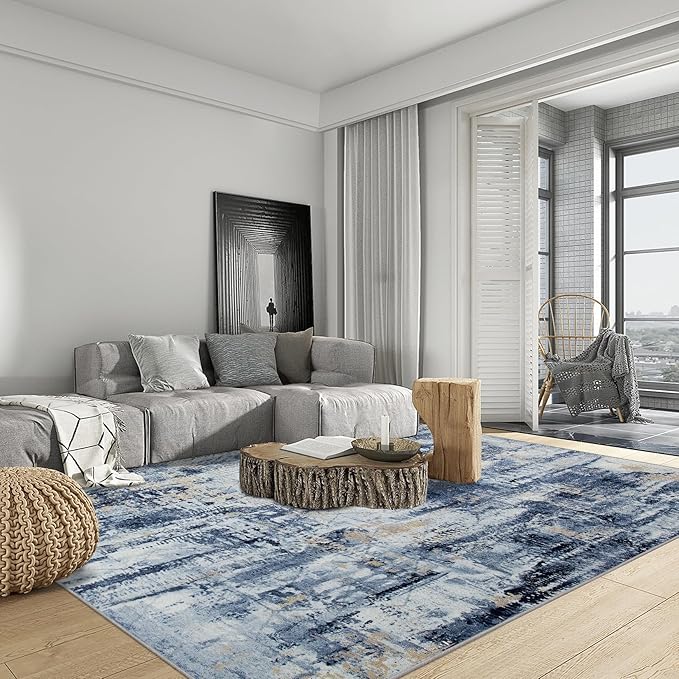
Rugs lacking sufficient floor grip pose severe biomechanical risks to senior dogs and active cats. When a dog jumps off a couch onto a loose rug, the fabric slides across the hardwood. These slips lead to joint injuries, torn cruciate ligaments, and muscle strains. A secure base provides the stability required for pet mobility and confidence.
An integrated non slip rug backing made from TPR (Thermoplastic Rubber) provides excellent longevity and floor compatibility. Standard latex backings dry out, crack, and crumble into yellow dust over time. TPR grips firmly without causing chemical discoloration on hardwood, engineered wood, or luxury vinyl plank floors.
Buying separate non-slip pads introduces cost and maintenance inefficiencies. Separate pads shift, bunch up, and degrade independently of the top layer. When a dog runs across a layered setup, the rug often moves while the pad stays put, creating a tripping hazard and requiring constant readjustment.
Integrated backings improve the structural integrity of the rug during machine washing. A unified construction ensures the traction layer remains intact and functional. You pick up one piece, wash one piece, and lay down one piece. This simplifies the cleaning process and extends the product's lifespan by preventing the backing from separating from the face fibers.
Radiant underfloor heating accelerates the degradation of cheap synthetic backings. Sustained thermal exposure causes low-grade rubber and latex to melt, harden, or permanently adhere to the floor surface. Removing a melted rug backing from expensive hardwood requires heavy scraping and chemical solvents.
Identify heat-safe backing materials that do not emit chemical odors or lose traction when warmed. High-quality TPR and specialized felt-backed silicone grips are rated for use over radiant heating systems. They maintain their flexibility and grip without damaging the floor or releasing toxic fumes into the room.
The operational reality of pet ownership dictates that floor coverings must withstand repeated cold-water machine washing. Spot cleaning fails to remove deep-set odors, urine penetration, or widespread mud tracked in from the yard. Wiping the surface with a damp cloth only pushes the biological matter deeper into the pile.
A true washable area rug allows for complete submersion and agitation. Before purchasing, identify the maximum dimensions and weights compatible with standard residential washing machines. A 5x7 foot high-pile rug often exceeds the capacity of a standard front-loader when wet. Oversized rugs require commercial laundering, which negates the convenience of a washable design.
Synthetic sheepskin possesses specific thermal vulnerabilities. The melting points of acrylic and polyester are relatively low. Exposing these fibers to high heat in a tumble dryer permanently melts and mats the pile, turning a fluffy texture into a hard, plastic-like crust. Once melted, the damage is irreversible.
Remove the rug from the washing machine immediately after the spin cycle finishes.
Shake the rug vigorously outdoors to separate the wet fibers and remove excess water.
Lay the rug flat on a drying rack or hang it over a sturdy railing in a well-ventilated area away from direct sunlight.
Wait until the backing and fibers are 100% dry to the touch.
Brush the pile thoroughly with a wire pet slicker brush to restore the original loft and texture.
Polyester is inherently oleophilic (oil-loving) and hydrophobic (water-repelling). It traps oil-based pet odors and sebum from a dog's coat over time. Standard laundry detergents struggle to break down these embedded oils during a cold wash, leaving a lingering "wet dog" smell even after cleaning.
Implementing sanitization protocols preserves the fibers while neutralizing deep-set bacterial odors. Use enzymatic cleaners or specialized synthetic fiber detergents designed to break down oils and uric acid. Regular washing prevents the buildup of these oils, keeping the rug smelling fresh and extending its usable life.
Standard retail sizes work for typical living spaces, but irregular room dimensions or specific design requirements necessitate custom fabrication. Off-the-shelf options force compromises in placement, often leaving high-traffic pet zones unprotected or creating awkward visual layouts.
Working with a reputable custom carpet supplier allows you to alter pile height, edge binding, and backing materials specifically for high-density pet facilities or multi-pet homes. This tailored approach ensures the rug meets exact functional criteria, providing wall-to-wall protection or fitting perfectly into custom-built dog crates and resting areas.
Single pelt shapes offer better durability than multi-pelt stitched configurations under heavy pet play. The seams in stitched rugs create weak points. When dogs dig or cats scratch at the surface, claws catch the stitching, leading to premature tearing and separation of the pelts.
Selection strategies for matching rug color patterns to pet coat colors help visually manage daily shedding. Opting for ivory rugs for light-haired pets or grey/charcoal for mixed coats camouflages loose fur between vacuuming sessions. High-contrast choices, like a black rug with a white dog, require daily maintenance to look clean.
A realistic lifecycle analysis reveals that cheaper, low-density faux sheepskin rugs require annual replacement due to matting, backing failure, and odor retention. Spending $50 every year on a disposable rug accumulates significant costs and generates unnecessary landfill waste.
Higher-density, washable variants offer a 3-5 year lifespan when properly maintained. Investing in quality materials upfront yields a better return on investment. The initial higher cost pays off by eliminating the frustration of dealing with degraded textiles and frequent replacements.
Synthetic fiber ingestion poses a severe risk if a dog is a heavy chewer. Long-pile rugs trigger nesting or digging instincts in certain breeds, leading to destructive behavior and potential medical emergencies if they swallow large chunks of the backing or fibers.
To mitigate this risk, opt for shorter pile heights that are less tempting to chew. Utilize behavioral deterrent sprays (like bitter apple) during the initial introduction phase. Supervise the pet around the new rug until they learn to treat it as a resting place rather than a chew toy.
Raw-cut edges degrade quickly against nesting or scratching behaviors. Dogs often circle and scratch the floor before lying down. Standard bindings fail under this persistent friction, leading to fraying, fiber loss, and a ragged appearance along the perimeter.
Specify heavy-duty overlocked borders or surged edges when ordering to ensure the perimeter remains intact. Reinforced stitching prevents unraveling and extends the functional life of the rug, even in homes with large, active dogs.
Faux sheepskin inherently traps particulate matter deep within its pile. If left unmanaged, this dirt acts as an abrasive, grinding against the fibers and backing, accelerating wear and causing the pile to look dull and matted.
Establish a strict vacuuming protocol using suction only. Never use a rotating beater bar on high-pile synthetic rugs. The aggressive brush roll tears the synthetic fibers, pulls them out of the backing, and causes severe, irreversible matting. Use an upholstery attachment or a straight-suction floor nozzle to safely remove dirt.
Measure the intended space carefully to ensure proper fit and verify that the dimensions will fit inside your home washing machine when fully saturated.
Request material swatches from a verified supplier to test fiber resilience against your pet's specific shedding, scratching, and static generation habits.
Verify the product carries OEKO-TEX or GreenGuard Gold certifications to ensure no toxic VOCs will harm your pets.
Establish a maintenance routine that includes suction-only vacuuming and cold-water machine washing followed by strict air-drying and brushing.
A: Yes, provided it is washed in cold water on a delicate cycle and strictly air-dried. Heat will permanently melt and mat the synthetic fibers. Brushing the rug with a slicker brush after it dries restores the fluffy texture.
A: Look for TPR (Thermoplastic Rubber) or felt-backed silicone grips. These materials provide excellent traction without the chemical off-gassing that causes yellowing or degradation on polyurethane-coated wood floors.
A: Immediate treatment with an enzymatic cleaner is required to break down uric acid, followed by a cold-water machine wash. The rug must be a designated washable area rug to survive this thorough cleaning process.
A: High-quality synthetic fibers like polyester and acrylic are generally non-toxic. However, the adhesives used in cheap backings can emit VOCs. Always look for third-party safety certifications like OEKO-TEX to ensure safety.
A: If you need to cover a highly specific area, match irregular room dimensions, or require heavy-duty edge binding for destructive pets, a custom supplier provides tailored solutions that standard retail sizes cannot match.


