
- All
- Product Name
- Product Keyword
- Product Model
- Product Summary
- Product Description
- Multi Field Search

Views: 0 Author: Site Editor Publish Time: 2026-08-14 Origin: Site


Selecting flooring based entirely on showroom aesthetics often leads to expensive failures. Premature wear patterns in hallways, hidden installation surcharges, and demanding maintenance routines stem directly from mismatched fiber selection. Many buyers replace floors years earlier than anticipated simply because the material physics did not align with the room's daily usage.
Navigating conflicting marketing claims about durability, stain resistance, construction types, and comfort requires a technical approach. Evaluating carpet materials means looking past face weight and softness to understand how fibers react to friction, light, and moisture. A high-pile luxury fiber that performs flawlessly in a private retreat will quickly crush and mat on a main staircase.
This guide provides a systematic evaluation framework. By prioritizing four decisions—location, fiber, construction, and color—you can drive a technically sound purchasing decision that balances upfront aesthetics with long-term structural integrity.
Material longevity is dictated by the alignment between fiber characteristics, carpet construction (e.g., loop vs. cut pile), and room-specific foot traffic, not just pile thickness.
Specialty synthetics (like microfiber and velvet variations) offer distinct tactile advantages but require specific maintenance protocols compared to traditional nylons or wools.
Total cost of ownership extends beyond the square-foot price; factor in professional cleaning frequency, pad requirements, hidden installation fees, and expected replacement cycles.
Partnering with a transparent carpet manufacturer is critical for verifying backing quality, VOC emissions, and warranty validity.
A successful flooring installation relies on matching the right fiber and construction to the specific location, while selecting a color that suits the environmental demands. Treating these four pillars as interconnected variables prevents the common mistake of prioritizing texture over durability in heavy-use zones. Every room presents a unique micro-environment. The material must be engineered to withstand the specific physical forces and spill risks present in that space. You cannot evaluate a sample in isolation. You must consider the subfloor condition, the ambient humidity, and the specific type of footwear used in the space.
Assessing room usage requires establishing a realistic baseline for foot traffic. Light traffic zones, like guest bedrooms, rarely experience heavy impact or abrasive dirt tracking. Moderate traffic areas, such as living rooms, see daily use but generally lack the repetitive concentrated stepping of primary walkways. Heavy traffic zones include main hallways, family rooms, and stairs. Stairs are particularly brutal on flooring. The edge of each step acts as a pivot point, accelerating fiber crush and backing fatigue. Every time a shoe strikes the stair nosing, it grinds abrasive soil directly into the latex binder. High-traffic areas demand high-density, tightly twisted fibers to resist this physical breakdown.
Your acceptable threshold for daily and weekly upkeep directly dictates which materials you should consider. Some fibers release dry soil easily with standard vacuuming, while others trap particulates deep within the pile. Consider your immediate spill response capabilities. If you cannot address liquid spills within minutes, highly absorbent natural fibers will permanently stain. Define your maintenance bandwidth before looking at samples. If weekly suction-only vacuuming and annual hot water extraction sound too demanding, avoid high-maintenance specialty piles. You also need to verify if your current vacuum cleaner uses an aggressive beater bar, as this will destroy certain fine-denier synthetics by tearing the yarns.
Ambient moisture and the presence of pets introduce specific risks to flooring integrity. Basements and ground-level concrete slabs often transmit vapor moisture. If you install natural fibers or non-breathable backings over a damp slab, you create a high risk for mold and mildew. Synthetic fibers with moisture-resistant backings are mandatory in these environments. You should always perform a calcium chloride moisture test on concrete before selecting a backing type. Pets introduce biological stain risks and physical abrasion. Loop pile constructions, such as traditional Berber, are highly susceptible to snagging from pet claws. A single snag can unravel an entire row, requiring professional repair.
Room size, natural light exposure, and existing furnishings heavily influence color selection, but the technical properties of the fiber also dictate how color behaves. Dark colors absorb light, making large rooms feel intimate but highlighting dust and lint. Light colors expand the visual space but require highly stain-resistant materials to remain viable. Different materials hold dye differently. Solution-dyed synthetics have color integrated throughout the fiber during the extrusion process, making them highly resistant to fading and bleach spills. Top-dyed natural fibers have color only on the surface. Furthermore, high-sheen materials reflect light, creating a dynamic surface that shows footprints, whereas matte finishes absorb light for a uniform appearance.
The flooring industry relies on three foundational fibers, each offering distinct performance profiles. Nylon remains the standard for resilience and memory. It aggressively resists crushing and bounces back from heavy furniture compression, making it ideal for stairs and hallways. Nylon 6,6 specifically offers superior structural memory compared to standard variants. Polyester provides inherent stain resistance and vibrant color clarity at a lower upfront investment, though it lacks the physical memory of nylon and will mat faster under heavy traffic. Wool represents the premium natural option. It offers exceptional longevity, natural soil resistance, and inherent flame retardance. However, wool requires specialized cleaning chemistry to prevent fiber damage and carries a significantly higher initial material cost.
Engineered from ultra-fine synthetic filaments—typically sub-denier polyester or polyamide—microfiber carpet provides an incredibly dense, soft surface. The microscopic size of the individual strands packs tightly together, creating a barrier that resists dry particulate penetration.
Pros: Exceptional softness underfoot; high density prevents dust and allergens from settling deep into the backing; excellent thermal insulation properties.
Cons: Highly susceptible to matting in high-traffic zones; requires suction-only vacuums because aggressive beater bars will tear and fuzz the fine filaments; holds onto static electricity in dry climates.
Best Use Case: Bedrooms, low-traffic lounges, and barefoot zones where tactile comfort is the primary goal.
Characterized by a short, dense pile structure, crystal velvet carpet features a subtle sheen and an exceptionally smooth surface. The manufacturing process involves precise shearing to create a uniform, low-profile face. This prevents dirt from embedding, keeping the surface highly sanitary and easy to maintain.
Pros: Extremely easy to sweep or vacuum flat debris; highly resistant to trapping pet hair; vibrant color retention that enhances bold design choices; low friction surface allows office chairs to roll easily.
Cons: Lacks deep cushioning and thermal insulation; shows footprints and tracking marks easily due to its light-reflective surface; offers minimal acoustic dampening.
Best Use Case: Modern living rooms, home offices, and dining areas requiring easy surface cleaning and a sleek, contemporary aesthetic.
This variant takes the velvet aesthetic and engineers it for enhanced durability. diamond velvet carpet utilizes a high-density, tightly woven synthetic construction that significantly outperforms standard velvet in structural integrity. The fibers undergo a higher twist process before tufting.
Pros: Superior structural integrity against crushing and matting; elevated aesthetic with a textured, durable finish that effectively hides daily wear and tear; excellent dimensional stability.
Cons: Higher upfront material cost than standard polyester blends; features a stiffer hand-feel compared to traditional plush piles; heavier face weight makes installation slightly more labor-intensive.
Best Use Case: High-end residential spaces, executive home offices, and areas where luxury must intersect with heavy daily use.
Designed to mimic natural fleece, faux sheepskin carpet relies on advanced acrylic and polyester blends. These materials provide the extreme high-pile comfort of animal hides without the associated ethical concerns or biological degradation risks. The backing is typically a faux suede or woven polymer to maintain flexibility.
Pros: Maximum tactile comfort and warmth; hypoallergenic alternative to animal products; visually impactful for layering over hard surfaces; excellent for cold-climate insulation.
Cons: High maintenance requirements; prone to tangling and matting if walked on with shoes; difficult to deep clean without permanently altering the fiber texture; heat sensitive.
Best Use Case: Accent rugs, low-traffic decorative zones, and nursery accents where visual impact and softness outweigh the need for durability.
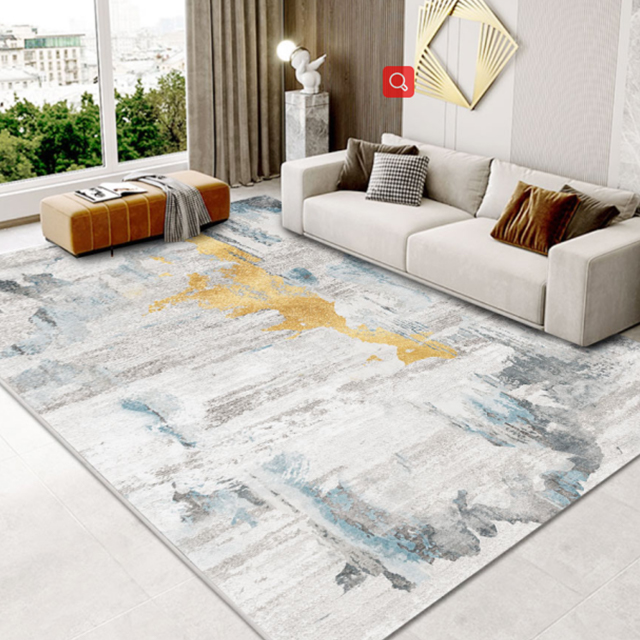
Hallways, stairs, and main living areas demand materials engineered for physical endurance. In these zones, crush resistance is the most critical metric. When evaluating cut pile options, look for a high twist multiplier. Fibers that are tightly twisted and heat-set resist untwisting and fraying under heavy footfall. A twist level of 5.0 turns per inch (TPI) or higher indicates a highly durable yarn. Low-pile density prevents the material from laying flat over time. Loop constructions, such as Berber, excel here because the continuous loop prevents the fiber tips from fraying, effectively eliminating wear patterns in highly trafficked corridors. You must also ensure the backing system is rigid enough to prevent the carpet from stretching and rippling across wide spans.
Spaces exposed to food, drink, and frequent organic spills require a defensive approach to material selection. Solution-dyed synthetics are mandatory here, as their inherent stain resistance prevents liquids from binding to the fiber structure. Short pile heights are essential. A low-profile surface allows for rapid cleanup of solid debris and prevents liquids from seeping deep into the backing before they can be extracted. Hydrophobic fiber properties ensure that spills remain pooled on the surface longer, granting a wider window for effective maintenance. Avoid any cut-and-loop patterns in dining areas, as food particles will become permanently trapped in the varying pile heights.
Bedrooms and private retreats shift the priority from extreme durability to sensory performance. These areas benefit from high-pile softness, thermal insulation, and acoustic dampening. Thick, plush constructions absorb ambient noise, creating a quieter environment. The physical depth of the pile traps air, providing a layer of thermal resistance over cold subfloors. In these low-impact zones, you can safely deploy delicate, ultra-soft synthetics without risking rapid structural degradation. You can maximize the R-value of the floor assembly by pairing a thick plush pile with a high-density memory foam underlayment.
Room Function | Primary Performance Need | Recommended Construction | Ideal Fiber Match | Maintenance Protocol |
|---|---|---|---|---|
Stairs & Hallways | Crush Resistance & Memory | Tight Loop or High-Twist Cut Pile | Nylon or Diamond Velvet | Aggressive vacuuming, frequent extraction |
Dining Rooms | Stain Resistance & Easy Sweeping | Low-Profile / Short Pile | Solution-Dyed Polyester or Crystal Velvet | Immediate spot cleaning, sweeping |
Bedrooms | Acoustic Dampening & Softness | Plush Cut Pile or High Pile | Microfiber or Faux Sheepskin | Suction-only vacuuming |
Basements | Moisture Resistance | Low-Pile Synthetic with Breathable Backing | Olefin or Polyester | Dehumidification, low-moisture cleaning |
Evaluating the financial impact of flooring requires looking at a 5-year and 10-year horizon. A lower-grade, easily degraded polyester might require less initial capital, but if it mats and uglies out within four years in a busy family room, the cost of premature replacement destroys any initial savings. Conversely, a tightly woven specialty synthetic or high-twist nylon will maintain its structural integrity for a decade or more. Factor in the frequency of required professional hot-water extraction. Materials that trap dirt require more frequent professional servicing, adding significant long-term operational expenses. You must calculate the cost of moving furniture, tearing out the old pad, and disposing of the degraded material when determining the true lifecycle cost.
The underlayment dictates up to 40% of the flooring's total lifespan. The pad acts as a shock absorber, taking the kinetic energy of foot traffic before it reaches the rigid backing and the base of the fibers. Installing premium flooring over a low-density pad guarantees premature wear. Focus on pad density rather than just thickness. A dense 8-pound rebond pad provides superior support and prevents the backing from flexing and stretching. A thick but airy 4-pound pad will bottom out under heavy impact, transferring the crushing force directly to the fibers and causing the latex binder to crack. Memory foam pads offer superior comfort for bedrooms, while synthetic rubber pads provide the ultimate moisture barrier for basement slabs.
Installation carries hidden costs that must be factored into the initial budget. Subfloor leveling is non-negotiable. Installing over uneven concrete or warped plywood causes the material to flex unevenly, leading to rapid delamination and seam failure. Strategic seam placement requires purchasing extra square footage to ensure joins fall away from natural light sources and high-pivot areas. Installers must use power stretchers rather than knee kickers to achieve the correct tension; otherwise, the floor will develop severe wrinkles within a year. Additionally, certain materials incur higher labor charges. Heavy natural wools, stiff-backed synthetics, and complex patterned loops require specialized cutting tools, thermoplastic seam sealing tape, and meticulous stair-upholstery skills.
Partnering with a reliable carpet manufacturer requires verifying their supply chain transparency. Investigate where and how the fibers are extruded and tufted. Manufacturers that control the extrusion process often produce more consistent dye lots and tighter quality control over fiber denier. Understanding the origin of the materials helps verify claims regarding stain resistance treatments and structural density. Ask for documentation on their heat-setting process, as this dictates how well the yarn will hold its twist under heavy traffic.
The structural integrity of the floor relies entirely on the backing system. Check for delamination risks by assessing the quality of the primary and secondary backing. The primary backing holds the tufts in place, while the secondary backing provides dimensional stability. These are bound together using synthetic latex adhesives, typically styrene-butadiene rubber (SBR). Inferior adhesives break down rapidly under heavy traffic or improper steam cleaning, causing the layers to separate and the surface to wrinkle uncontrollably. Request technical specifications on the binder strength and the face weight of the secondary backing.
Verify industry standards before finalizing a bulk purchase. Look for indoor air quality certifications, such as the CRI Green Label Plus, which guarantees low volatile organic compound (VOC) emissions during and after installation. Scrutinize the wear warranties. Legitimate warranties cover abrasive wear, texture retention, and stain resistance, but they often require strict adherence to specific maintenance schedules and pad density requirements. Ensure the manufacturer provides verifiable, clearly written warranty documentation without excessive loopholes regarding stair installations or specific types of footwear.
Order physical samples and place them in the target room to observe how the color shifts under your specific natural and artificial lighting throughout the day.
Perform a manual crush test by pressing your thumb firmly into the pile for ten seconds to evaluate the fiber's memory and recovery speed.
Request detailed specification sheets from your chosen manufacturer to verify face weight, twist multiplier, and backing adhesive quality.
Consult with a certified installer to confirm that your selected material and required pad are compatible with your existing subfloor conditions.
A: Nylon is the most durable synthetic fiber due to its exceptional memory and crush resistance. For maximum longevity in high-traffic zones, pair nylon with a loop construction or a high-density, low-pile cut with a high twist multiplier to prevent fraying and matting.
A: Dark colors absorb light, making large rooms feel cozier but visually shrinking smaller spaces. Light colors reflect light, expanding the visual space, but they highlight stains. Natural light shifts throughout the day, altering how the dye presents, making in-room sample testing critical.
A: Microfiber requires suction-only vacuuming. Avoid vacuums with aggressive beater bars, as the rotating bristles will tear the ultra-fine filaments and cause fuzzy degradation. Address spills immediately by blotting, and avoid high-heat extraction which can melt or distort the synthetic strands.
A: Crystal velvet features a smooth, sheer finish with a very short pile, making it easy to sweep and highly reflective. Diamond velvet utilizes a tighter, denser weave that provides superior structural integrity and crush resistance, offering a textured finish suited for heavier traffic.
A: Small faux sheepskin accent rugs may be machine washable on a gentle, cold-water cycle, but size limitations apply. Heat must be strictly avoided. Air-drying is mandatory to prevent the acrylic and polyester fibers from melting, matting, or permanently losing their soft texture.
A: Face weight alone does not determine quality. A high face weight with low density and poor twist will crush faster than a lower face weight material with high density and tight construction. It must be evaluated alongside pile density, twist level, and fiber type.
A: Ask for exact fiber composition percentages, the type of synthetic latex used in the backing, and the required pad density for warranty validity. Request details on warranty exclusions regarding stairs and high-traffic pivot points, and ask for their recommended installation and seaming protocols.


